
Most cowboys turn up, scrape a line through the paddock, dump a bit of crushed rock and bolt. Six months later you've got ruts, blowouts, and a house pad that's already moving.
Chase will give you a ring back personally, usually same day. No call centre, no sales bloke.
A farm track is the spine of the property. It is the first thing the concrete truck sees, the last thing you drive at night in the rain, and the line your grandkids will follow up to the house one day. Done right, it disappears into the paddock like it grew there. Done wrong, it becomes the bog you curse every winter for the next decade.
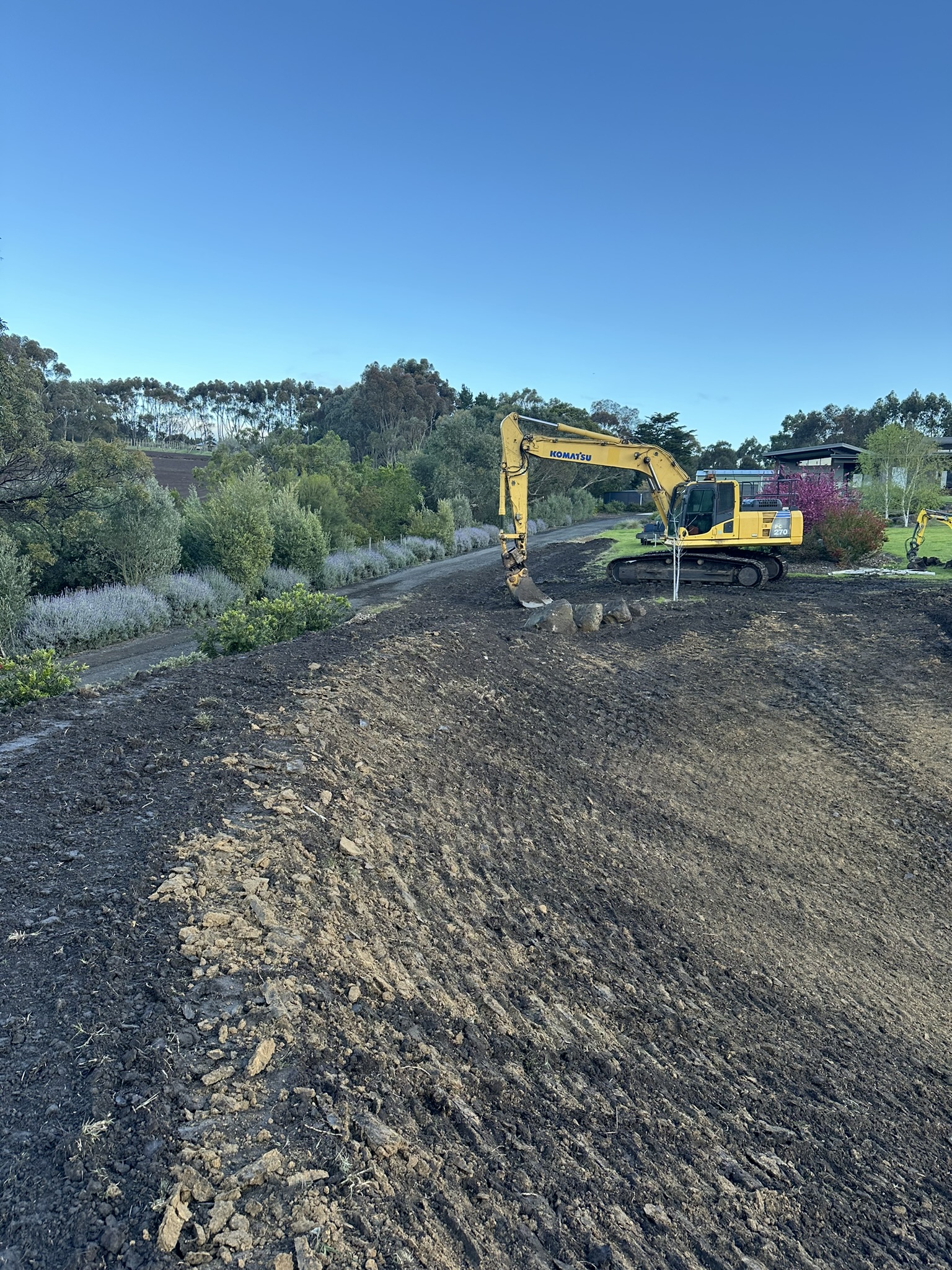
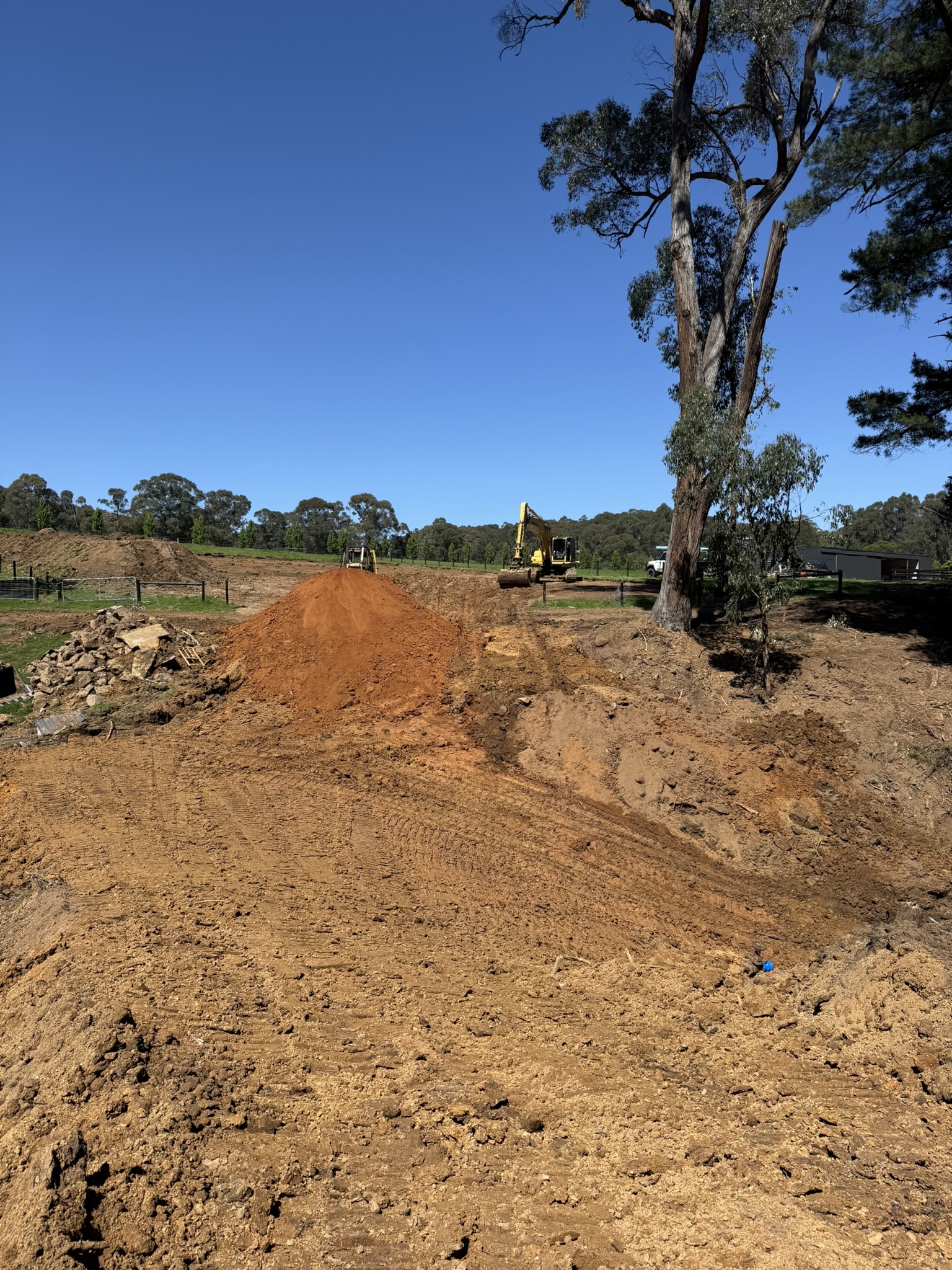
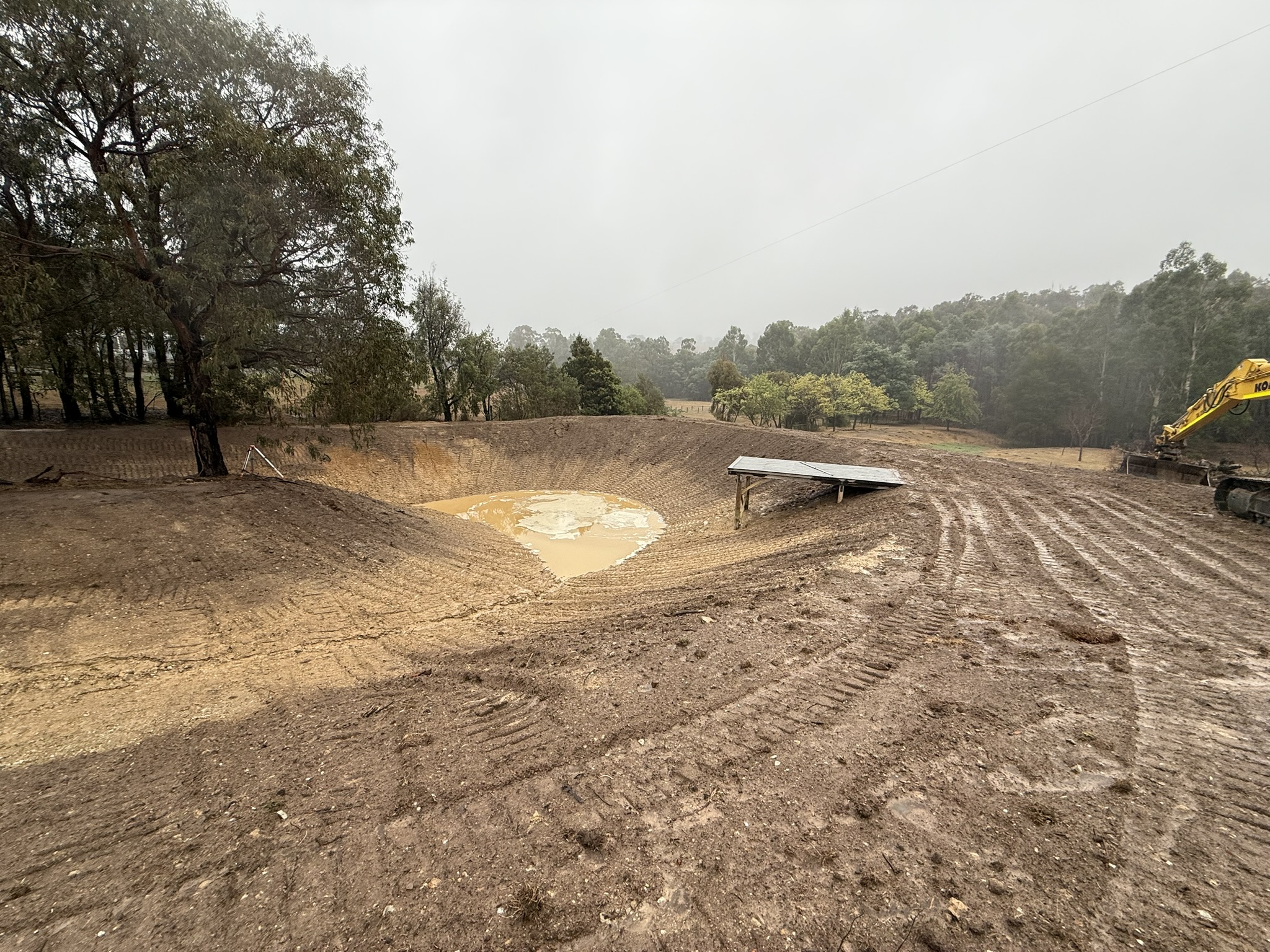
A house pad is not a flat patch of dirt. It is the foundation under the foundation. Compacted in the right lifts, drained on the right fall, keyed into the natural ground so nothing slumps when the rain comes through sideways. The builder turns up, runs a level over it, and there is nothing to argue about. That is the standard.
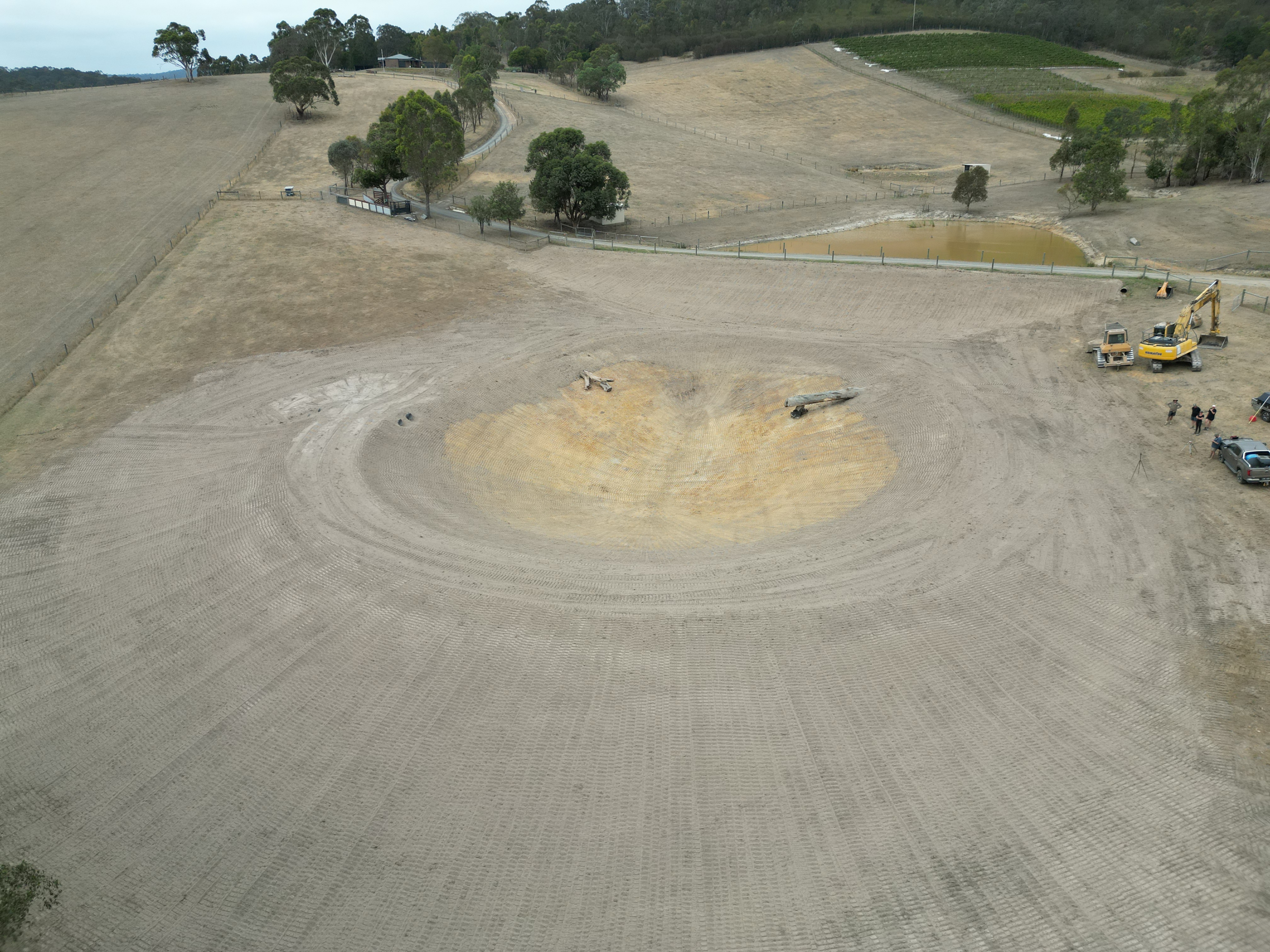
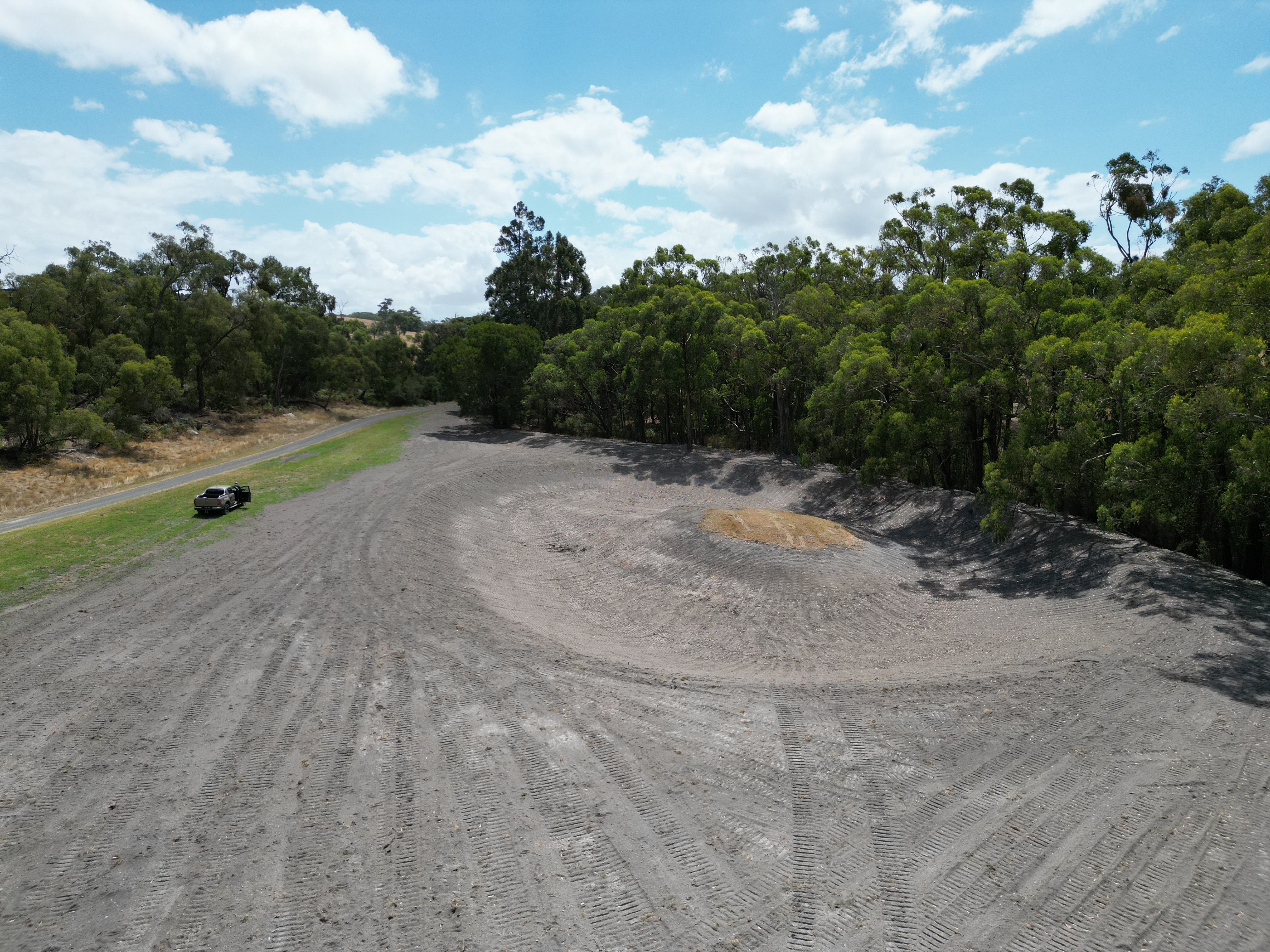
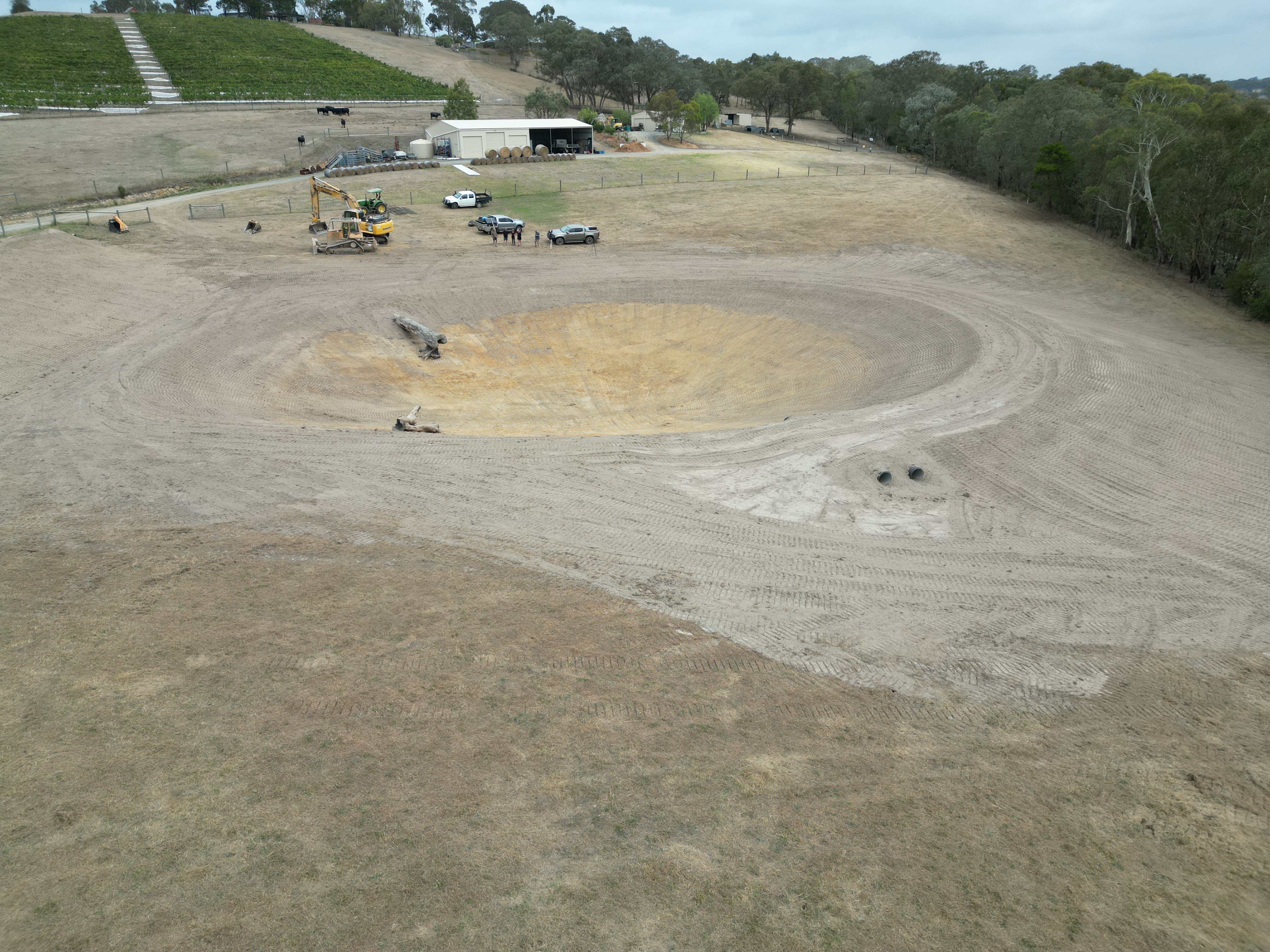
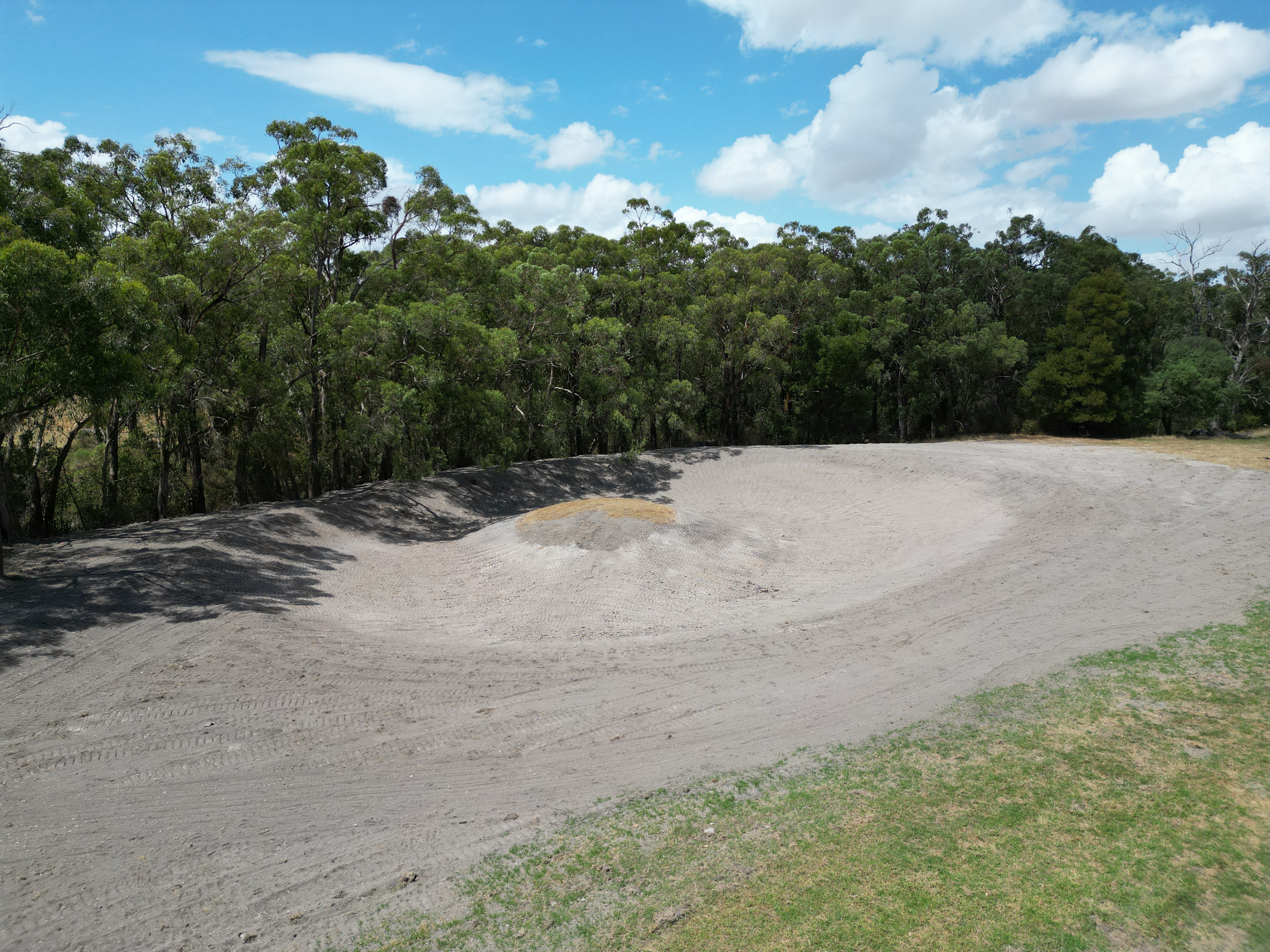
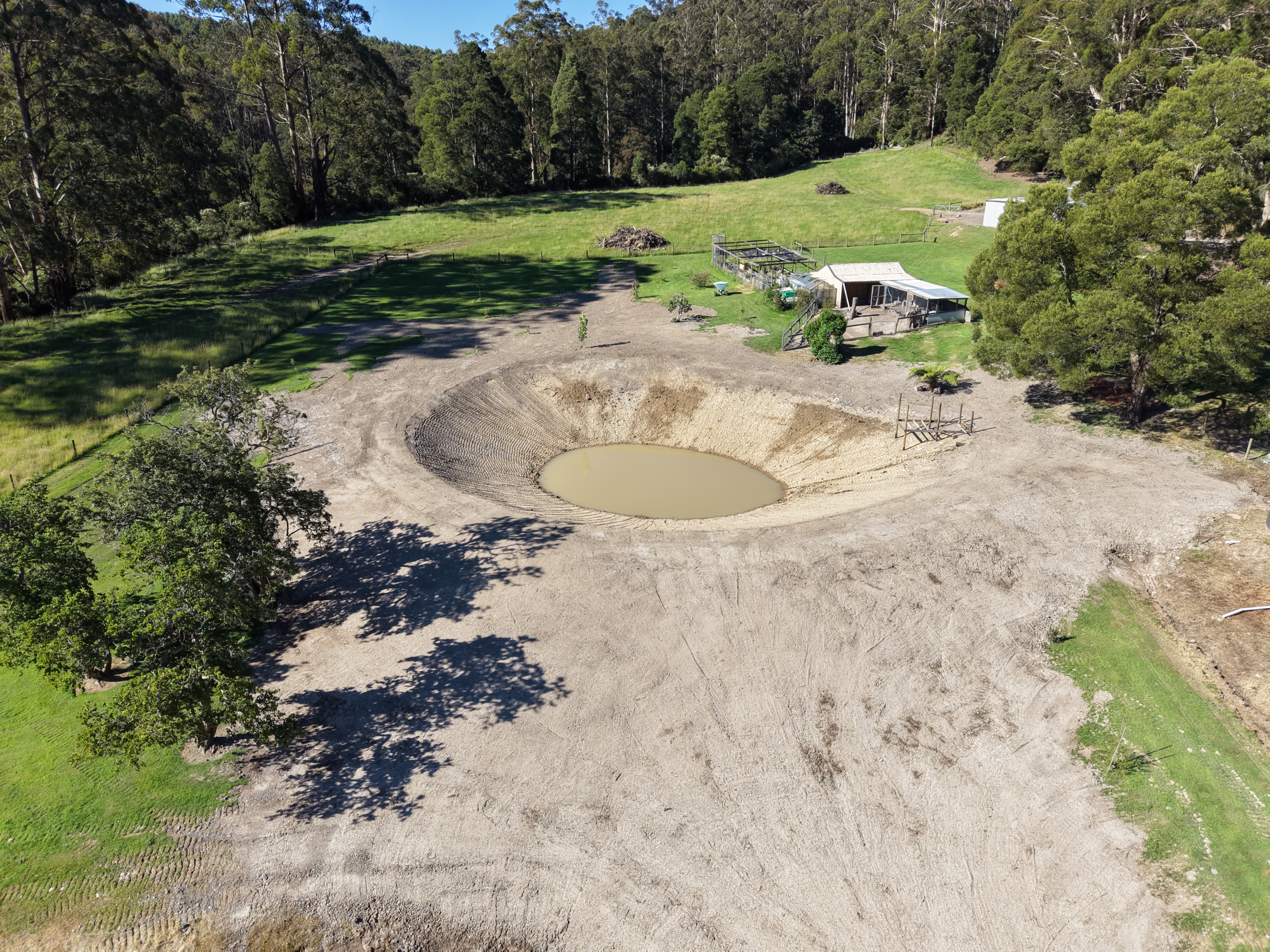
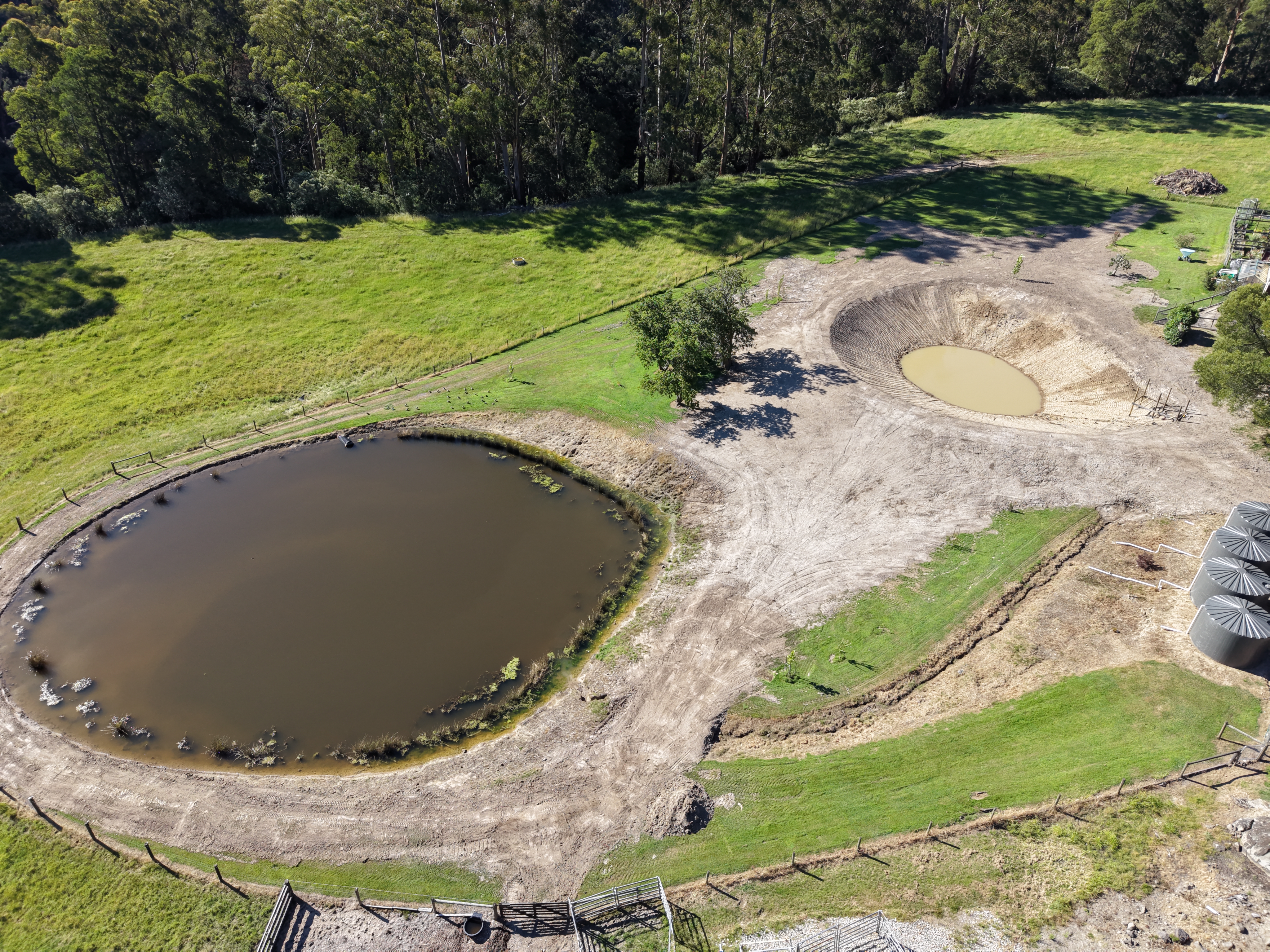
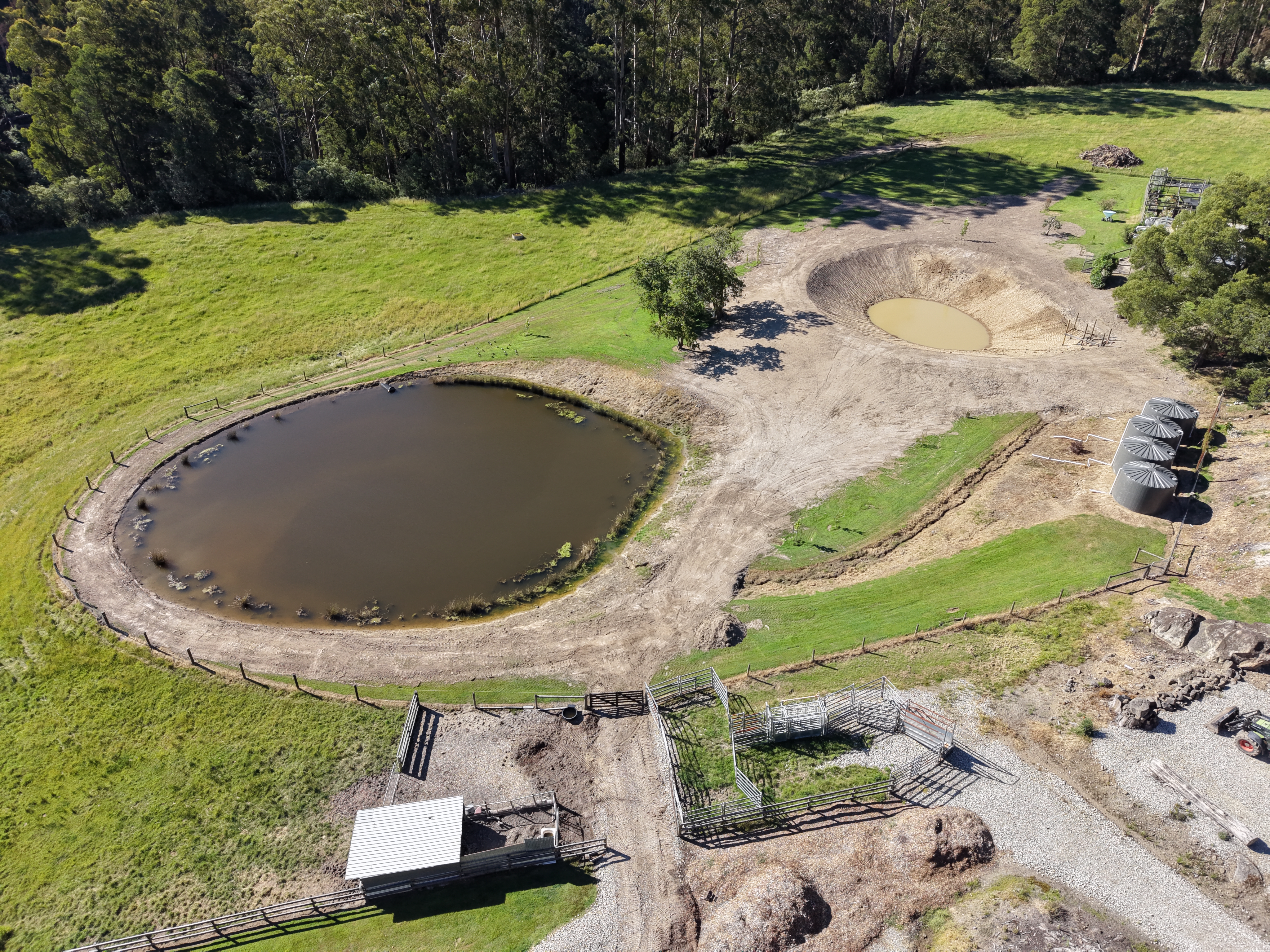
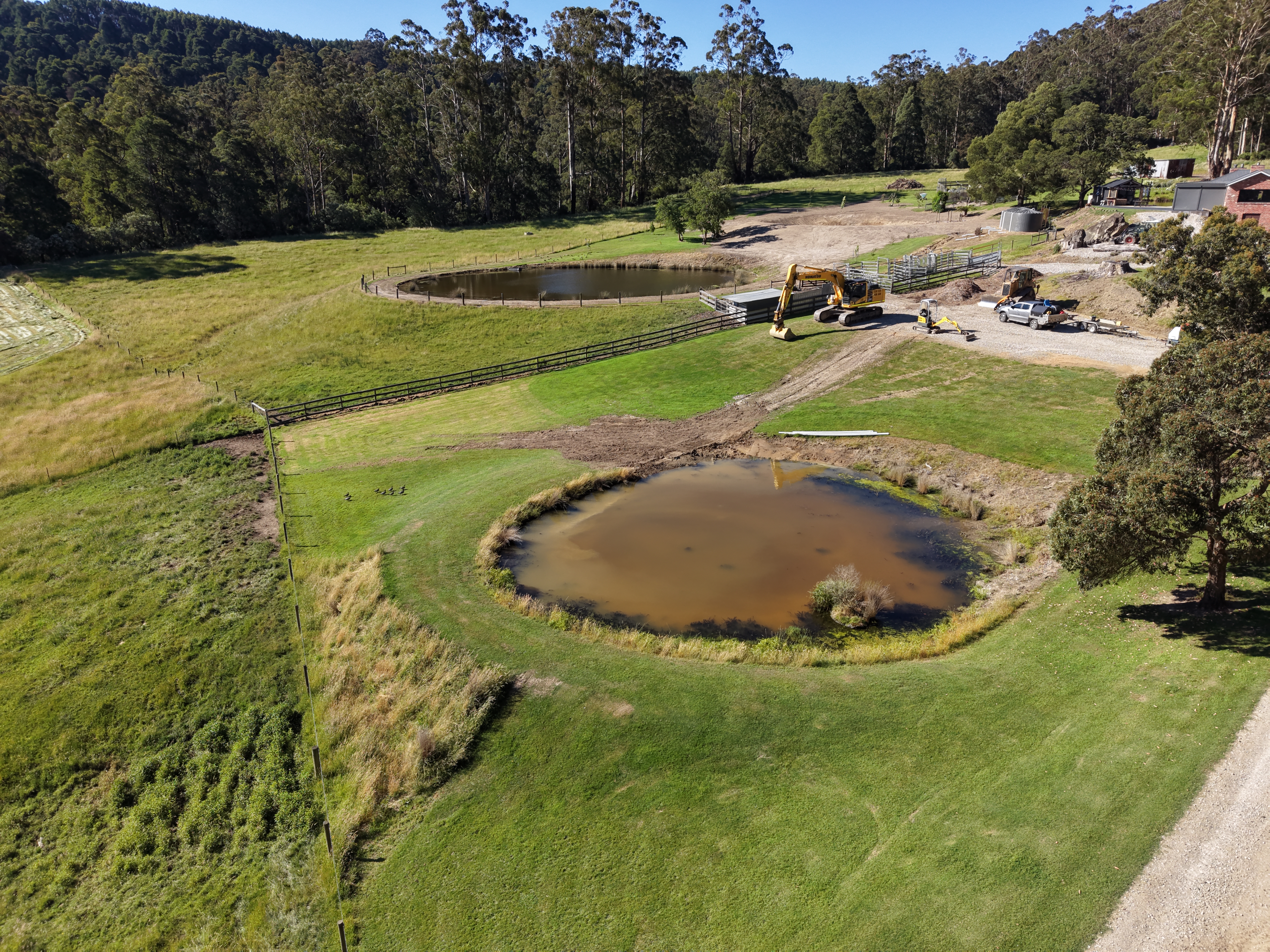
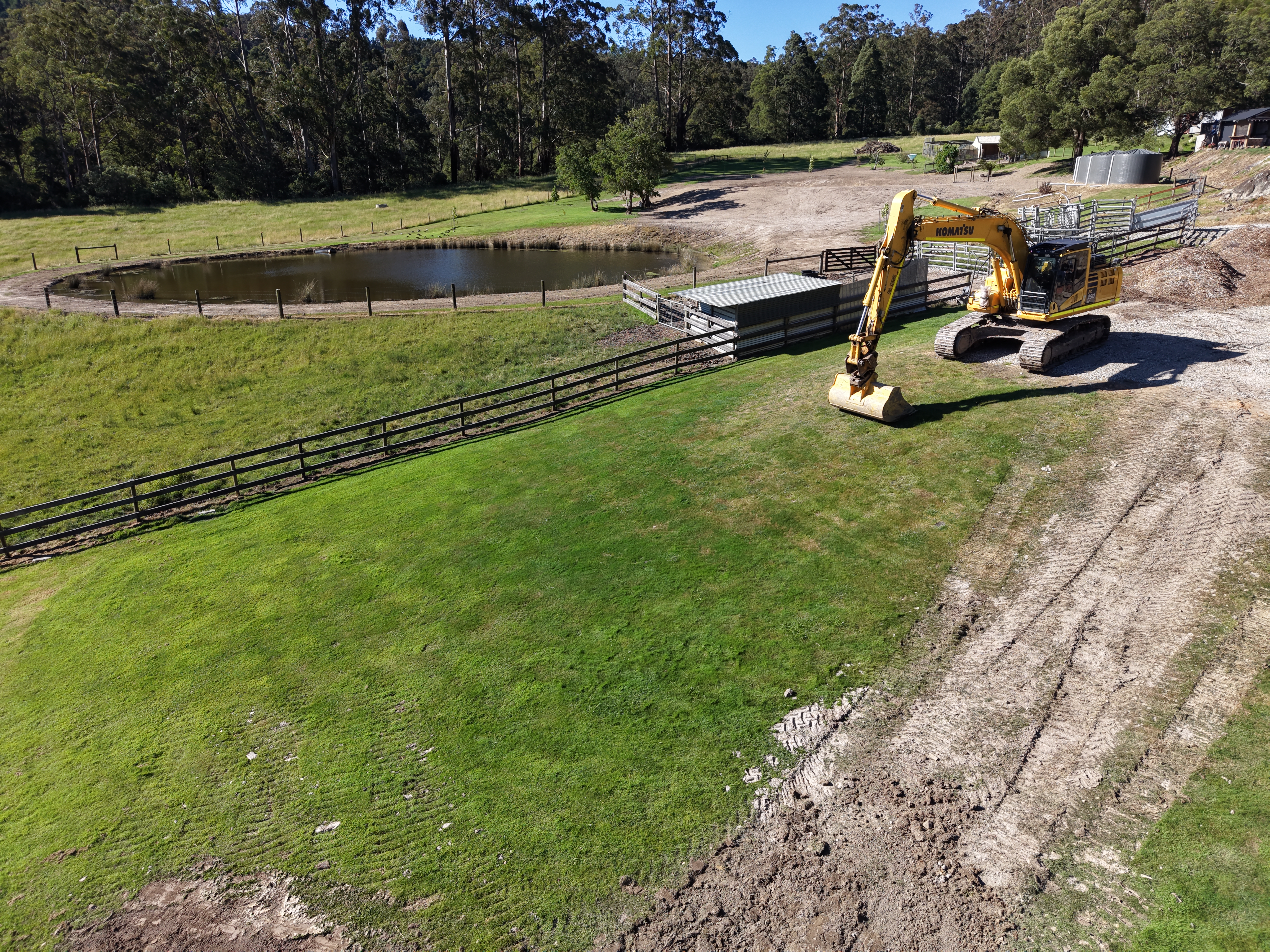
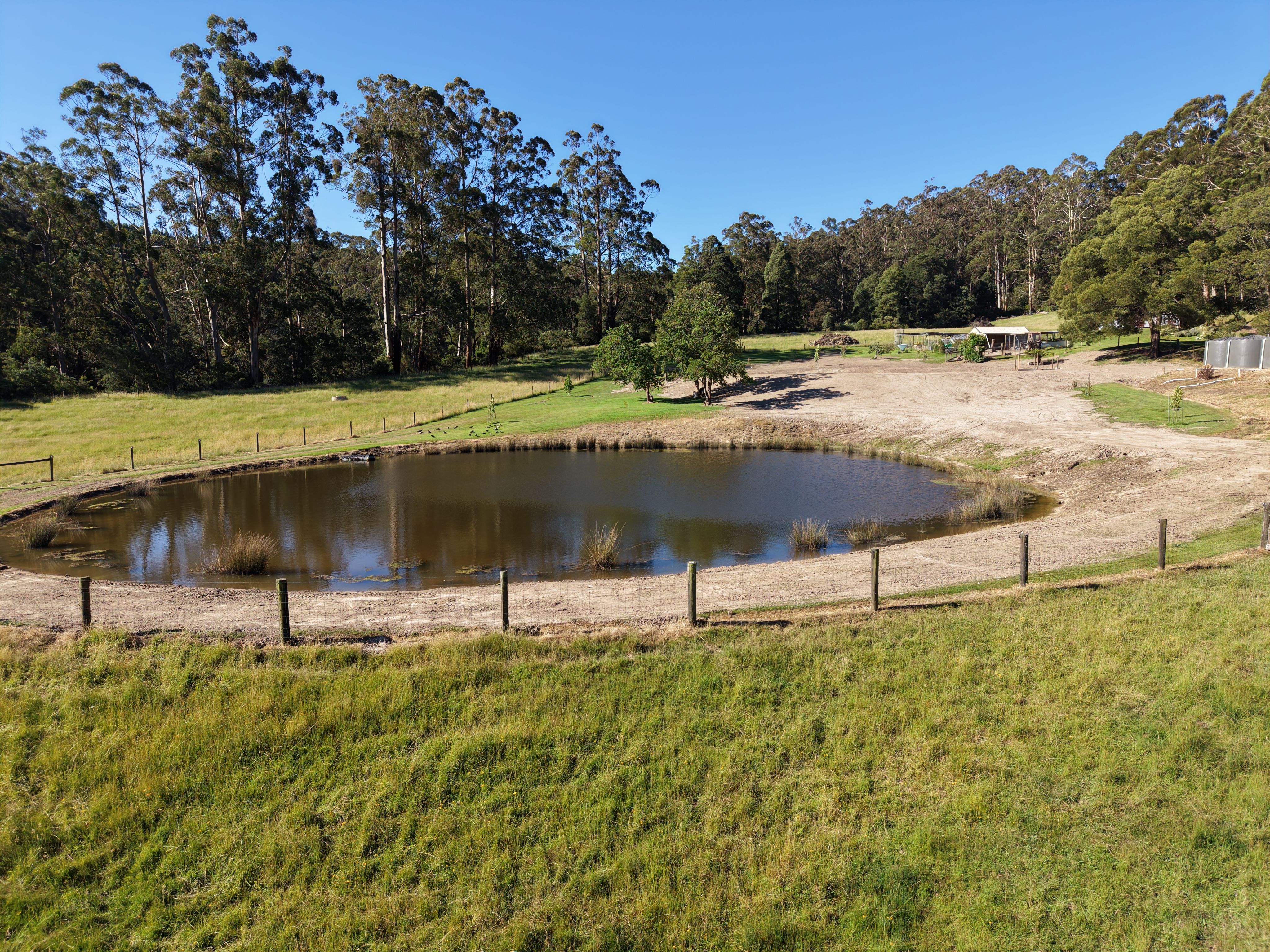
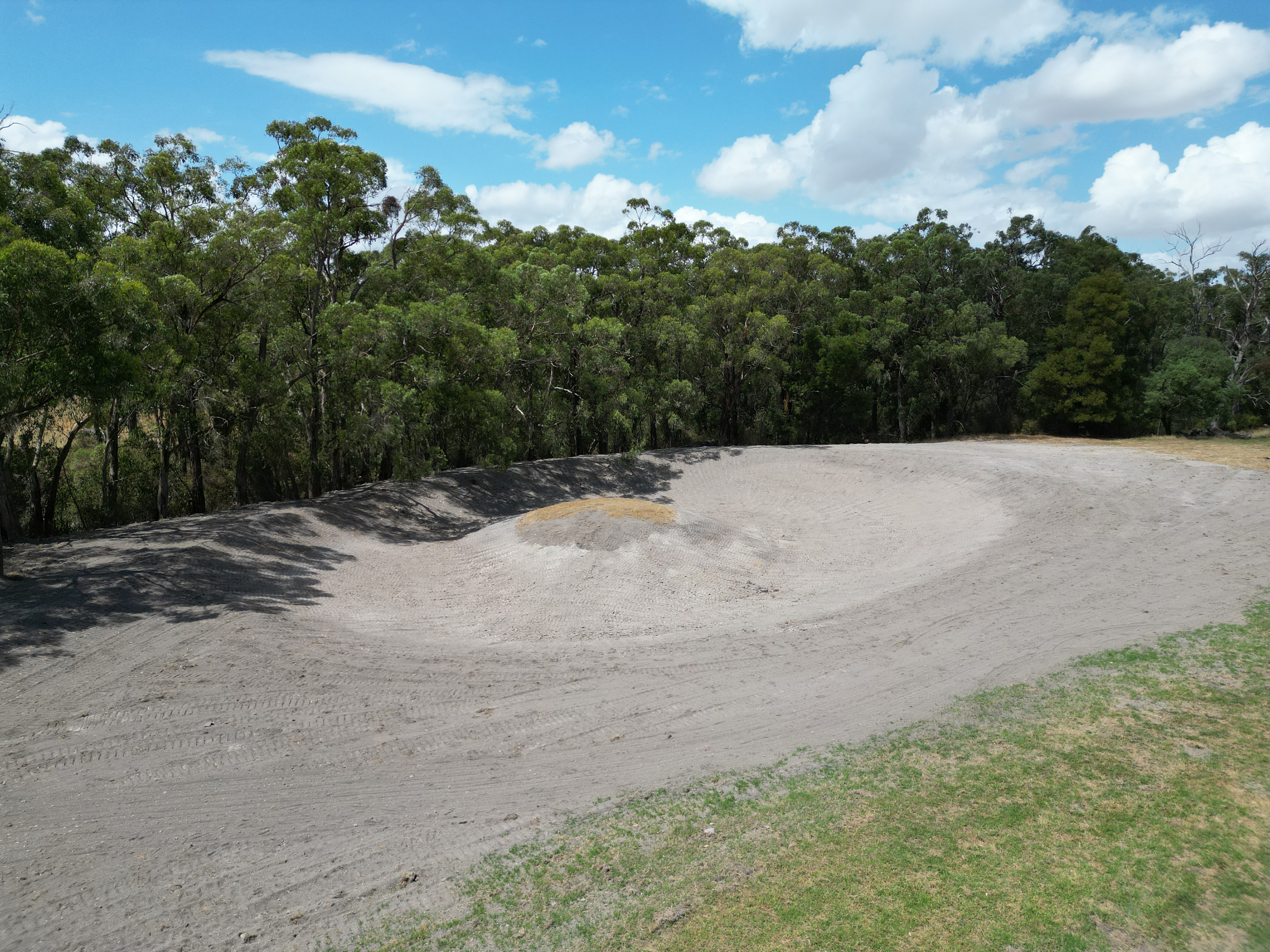
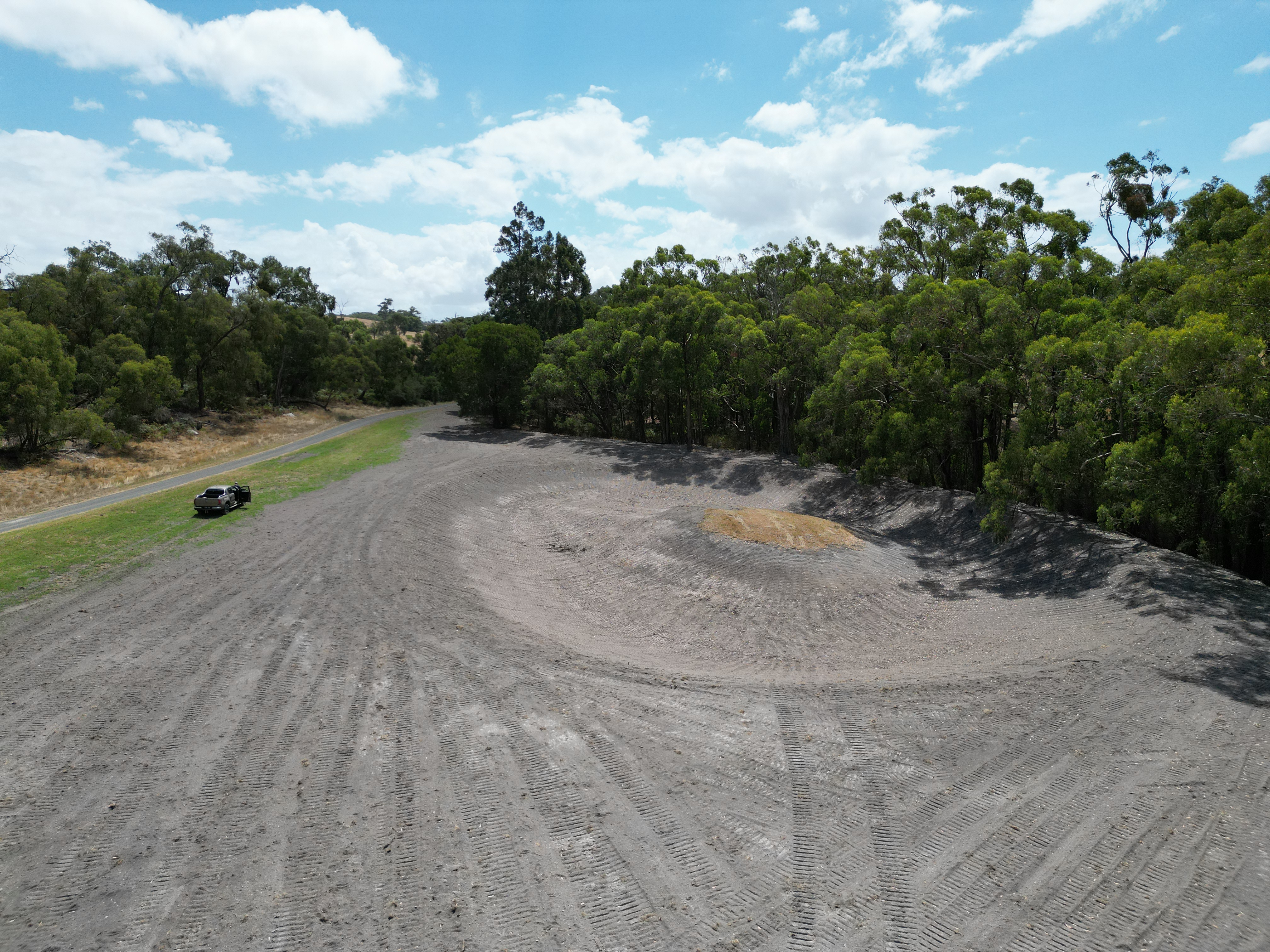
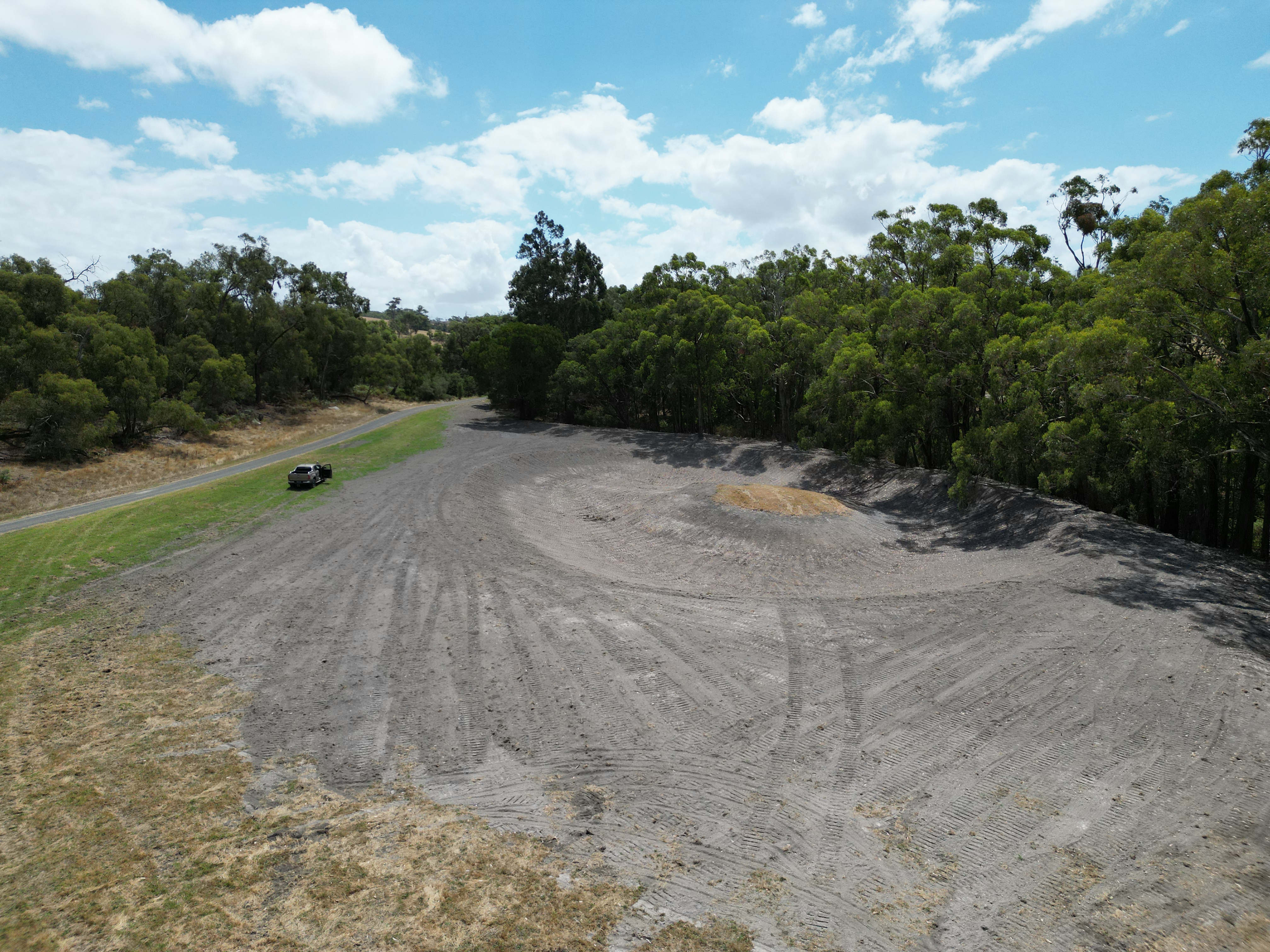
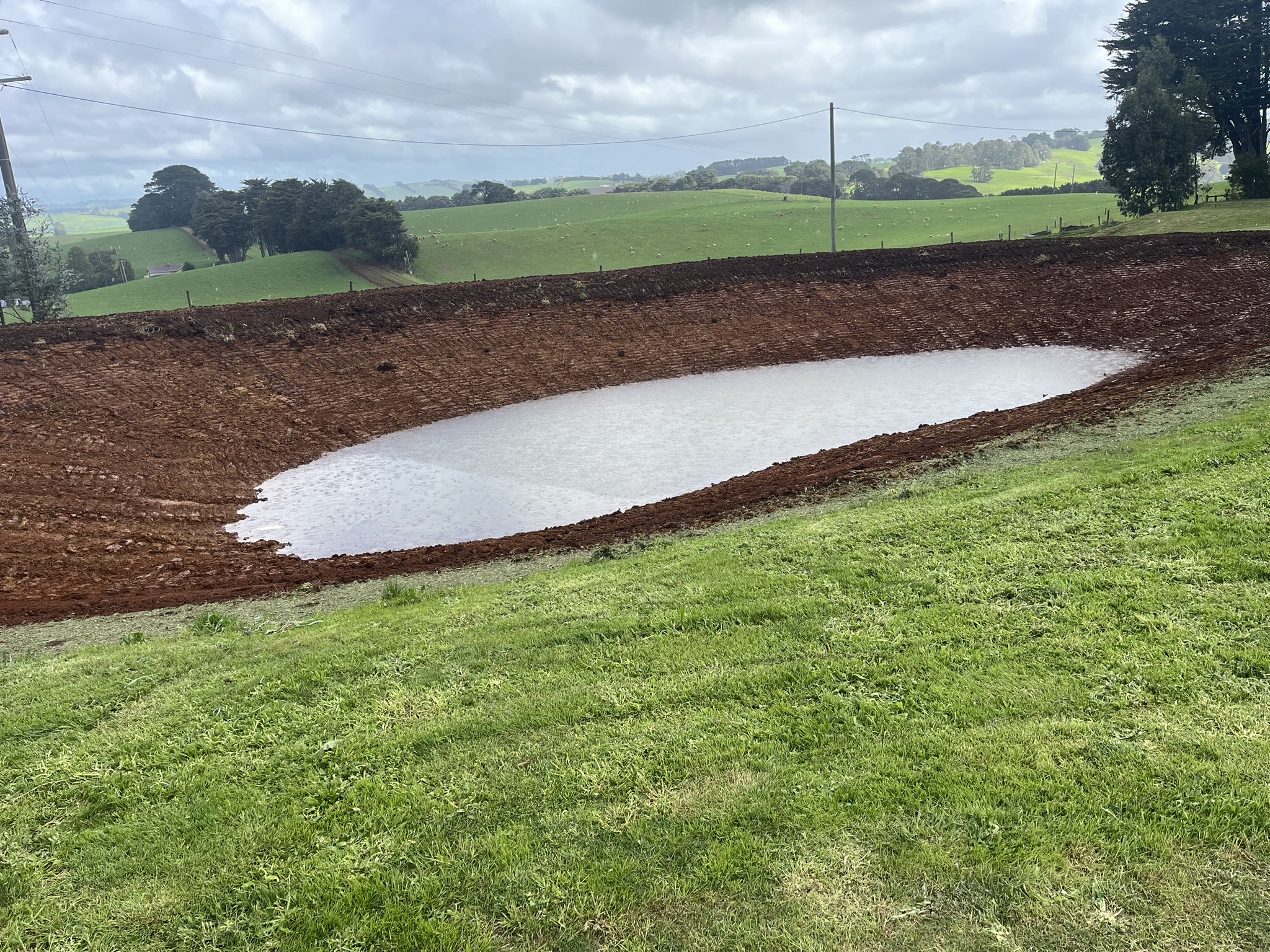
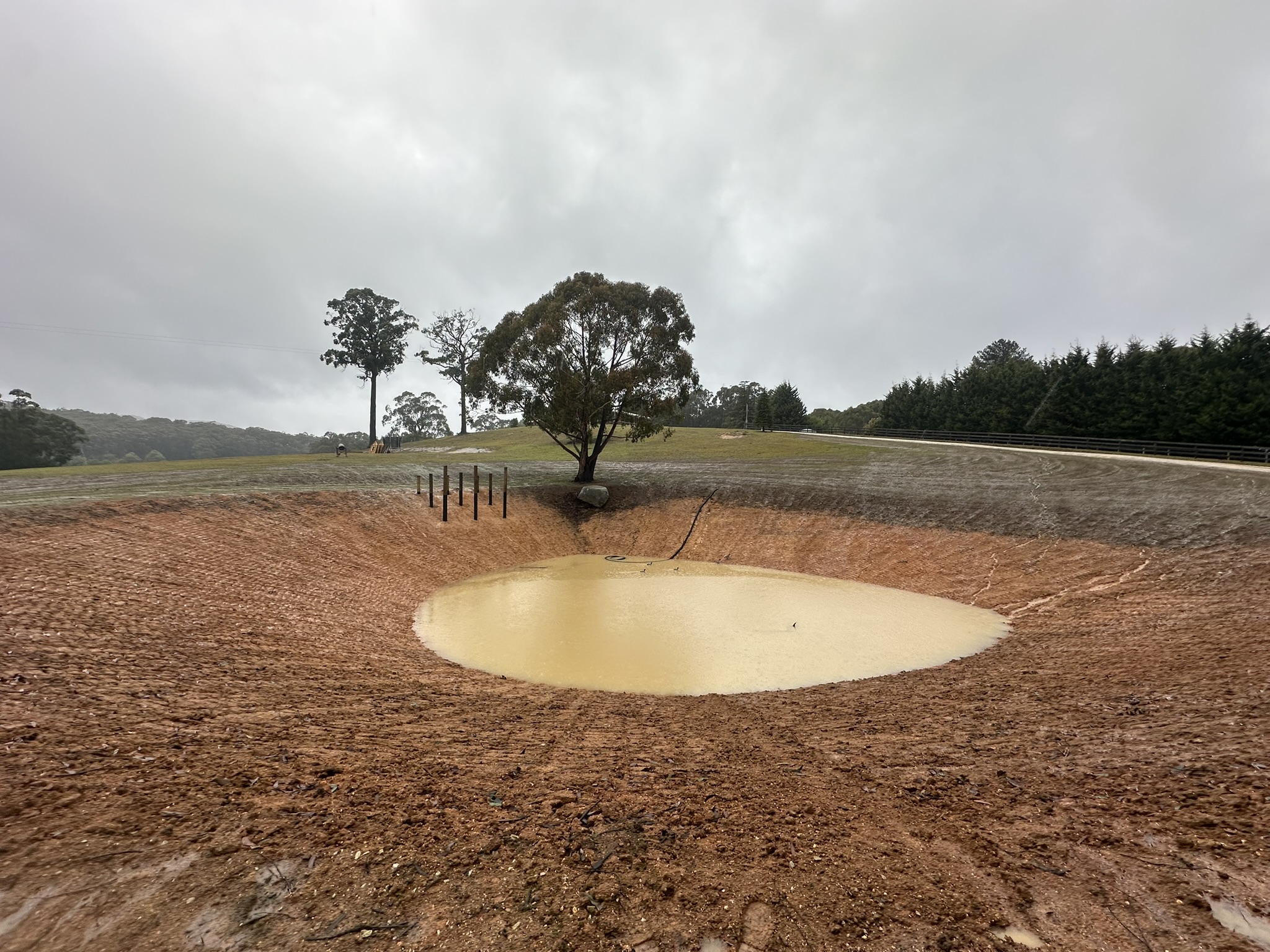
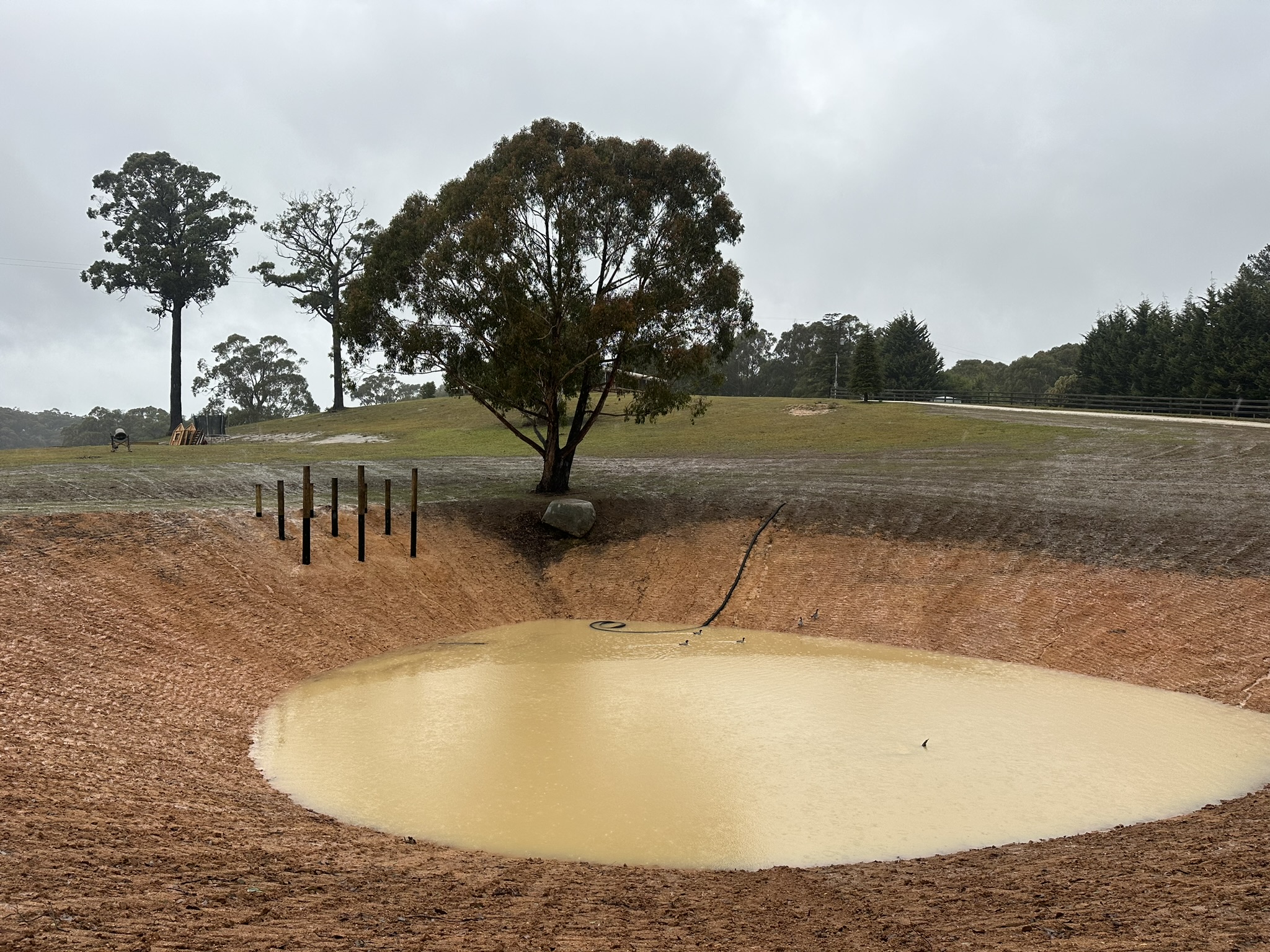
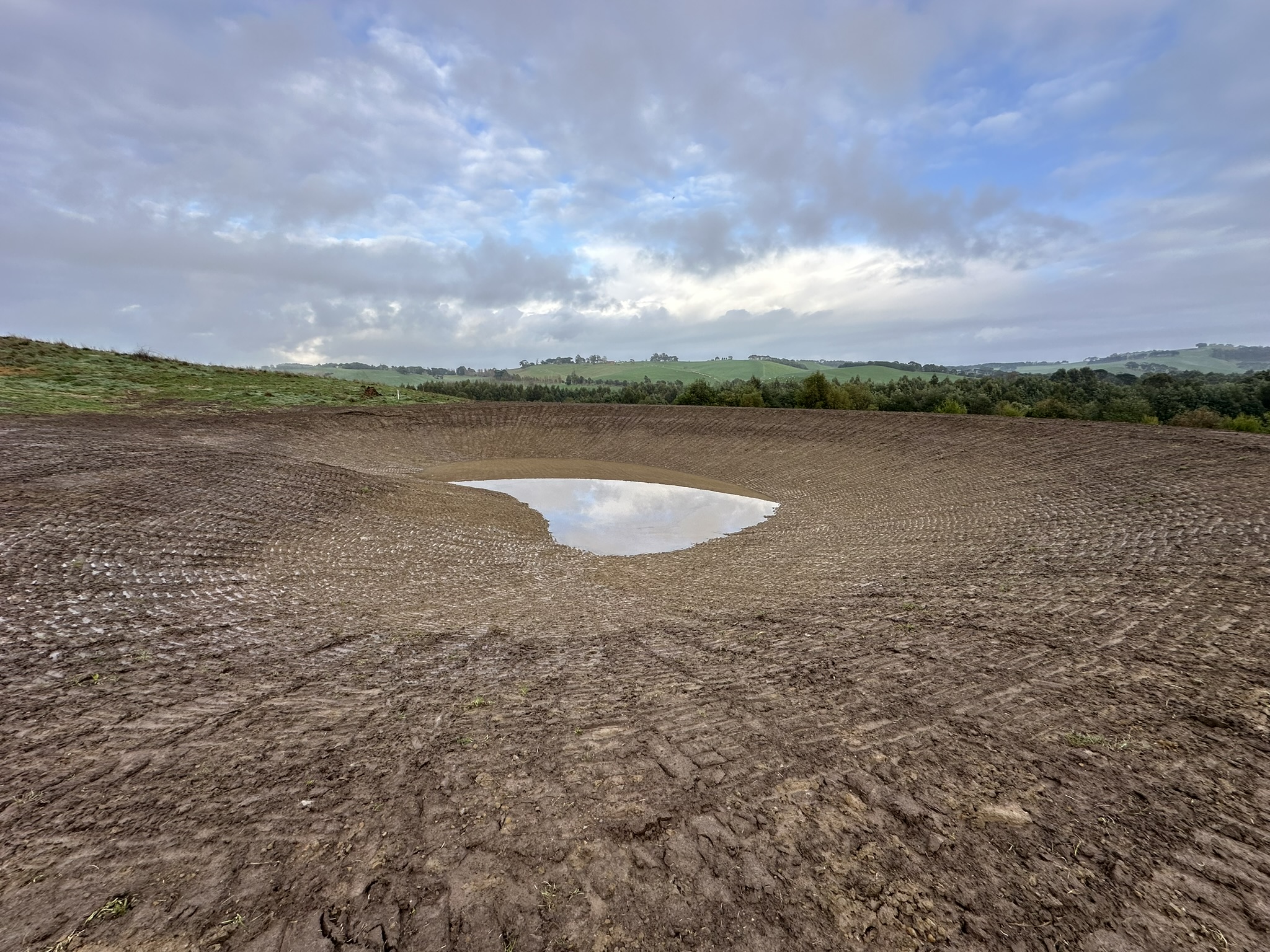
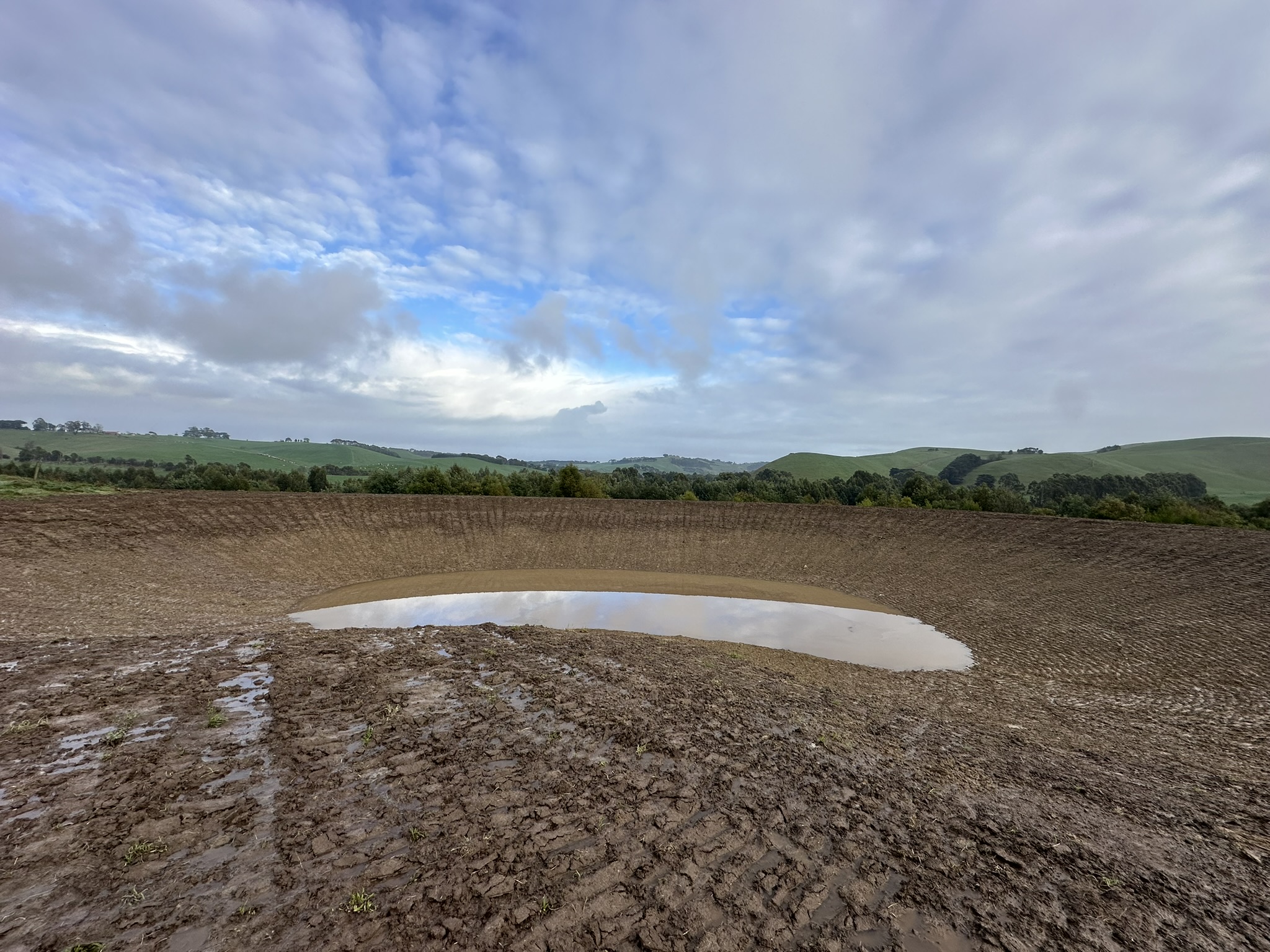
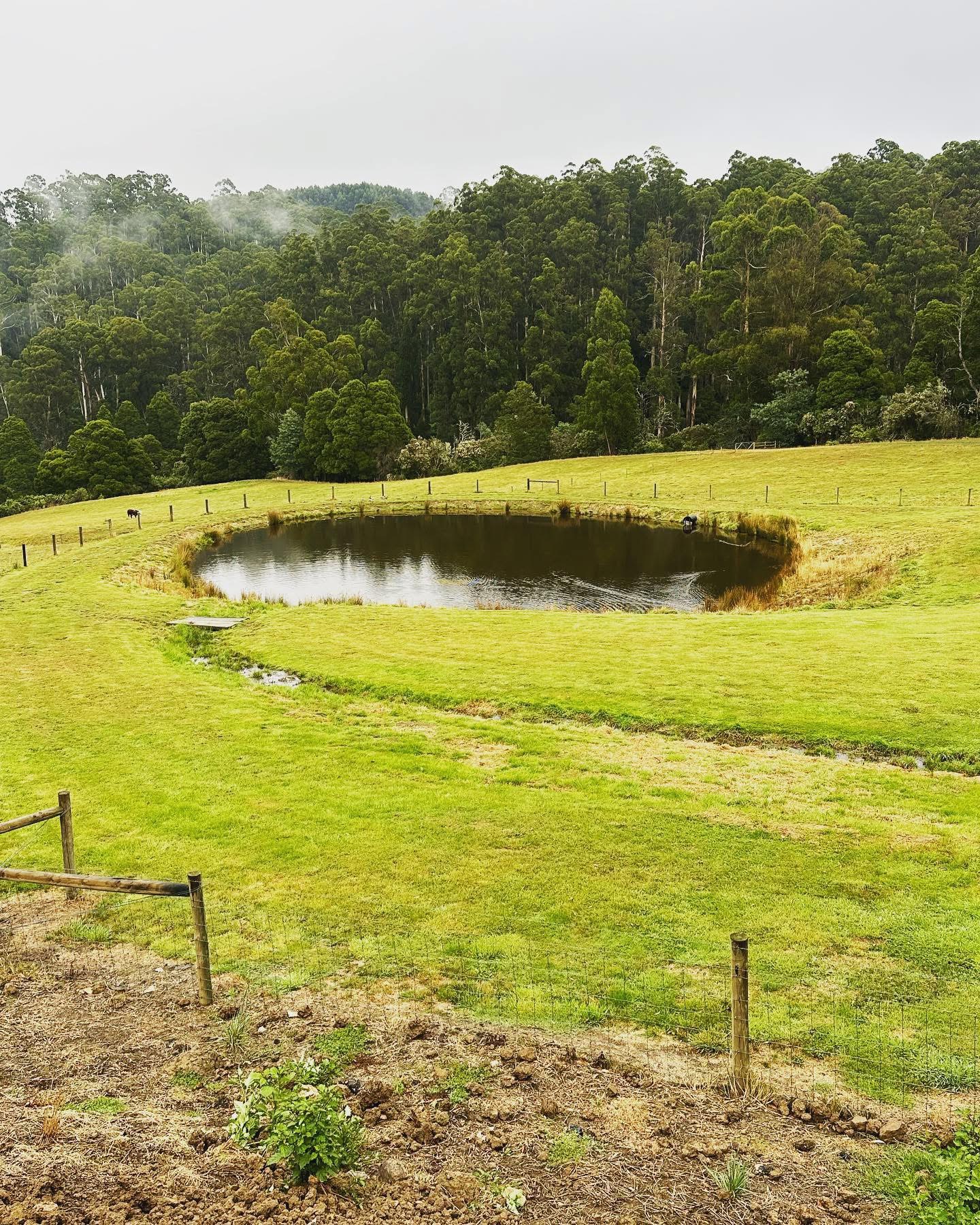
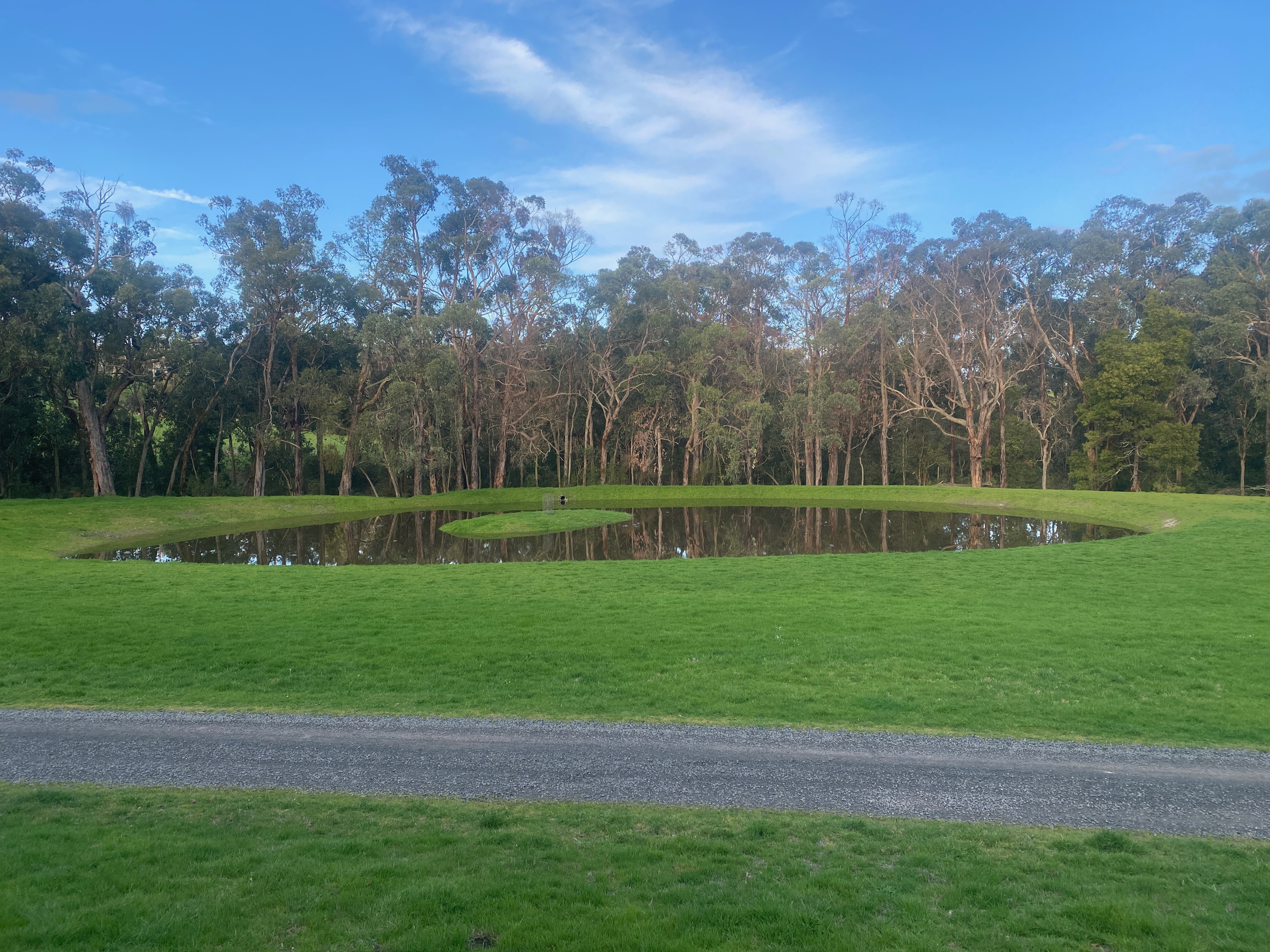
When the job is finished and the dust settles, the track follows the fall of the land, the pad sits clean against the rise, and the batters are shaped so the grass takes hold by the next season. In a year, you cannot see where we worked. It just looks like the property was always meant to be set up this way.
Cowboys fight the contours and the country wins every time. We walk the block first, read the fall, and shape the work around what the land is already telling us.
We walk the block with you. Look at the fall, the wet spots, the rock, where the water wants to go. The plan follows the country, not a line on a map.
Proper subgrade, right materials for your soil, compacted in lifts, drainage built in from day one. Done once, done properly. No coming back in two winters to fix it.
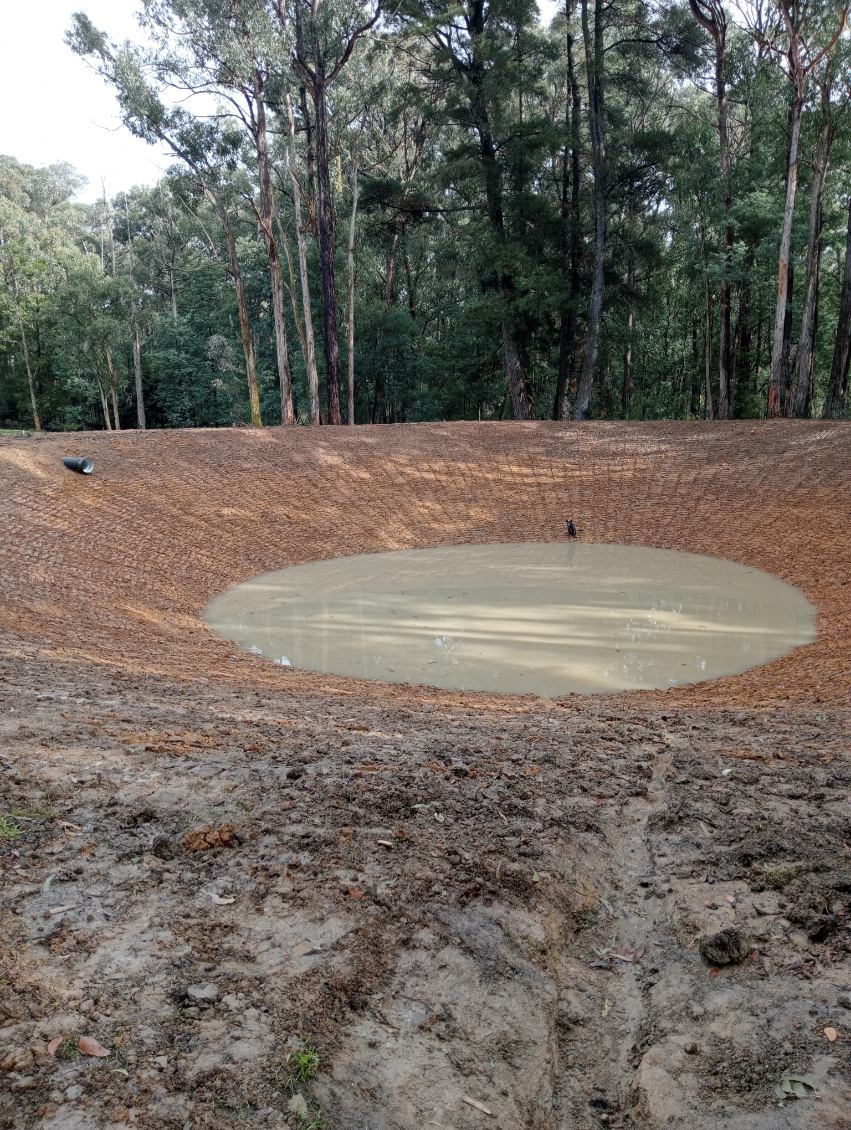
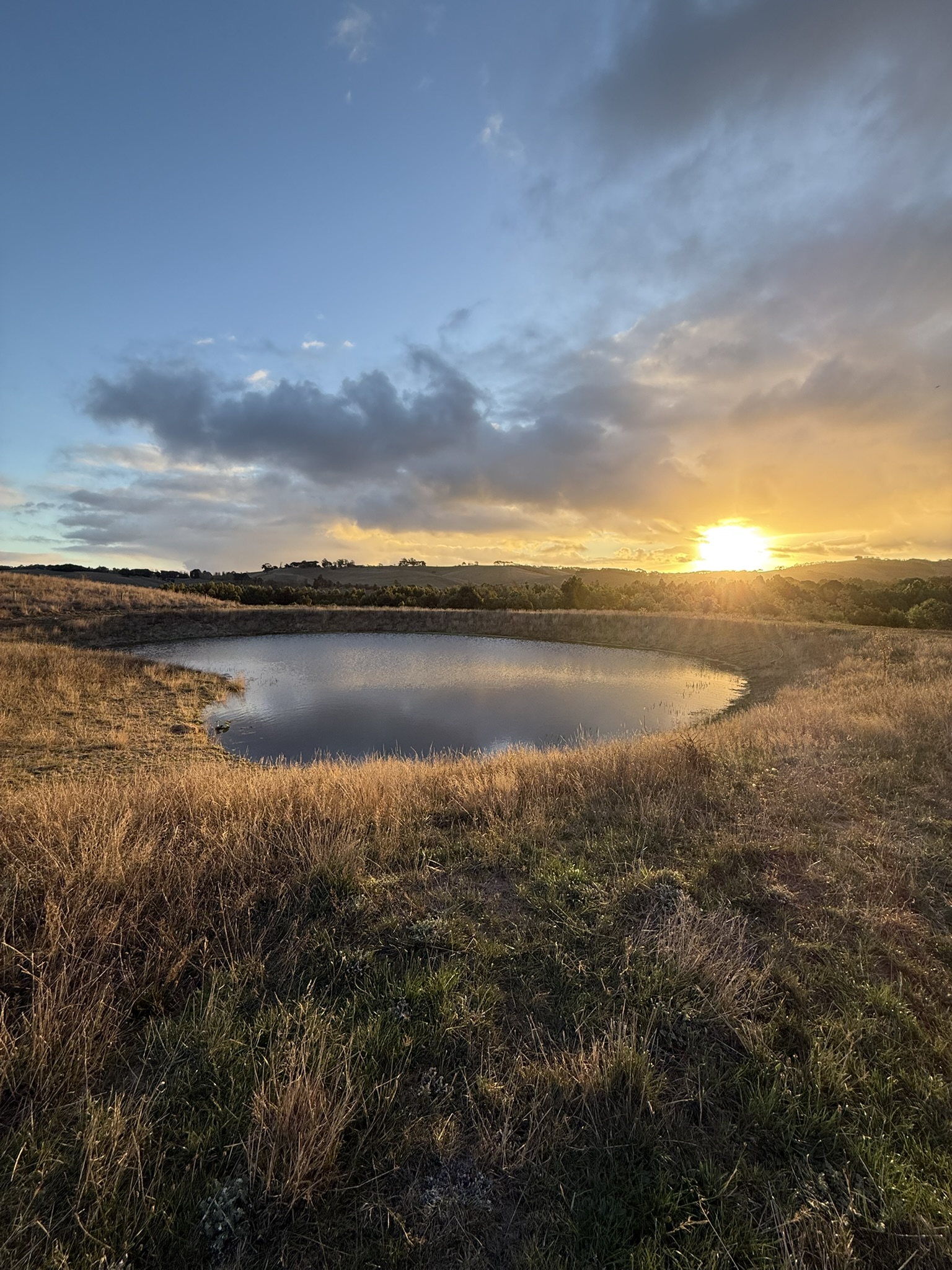
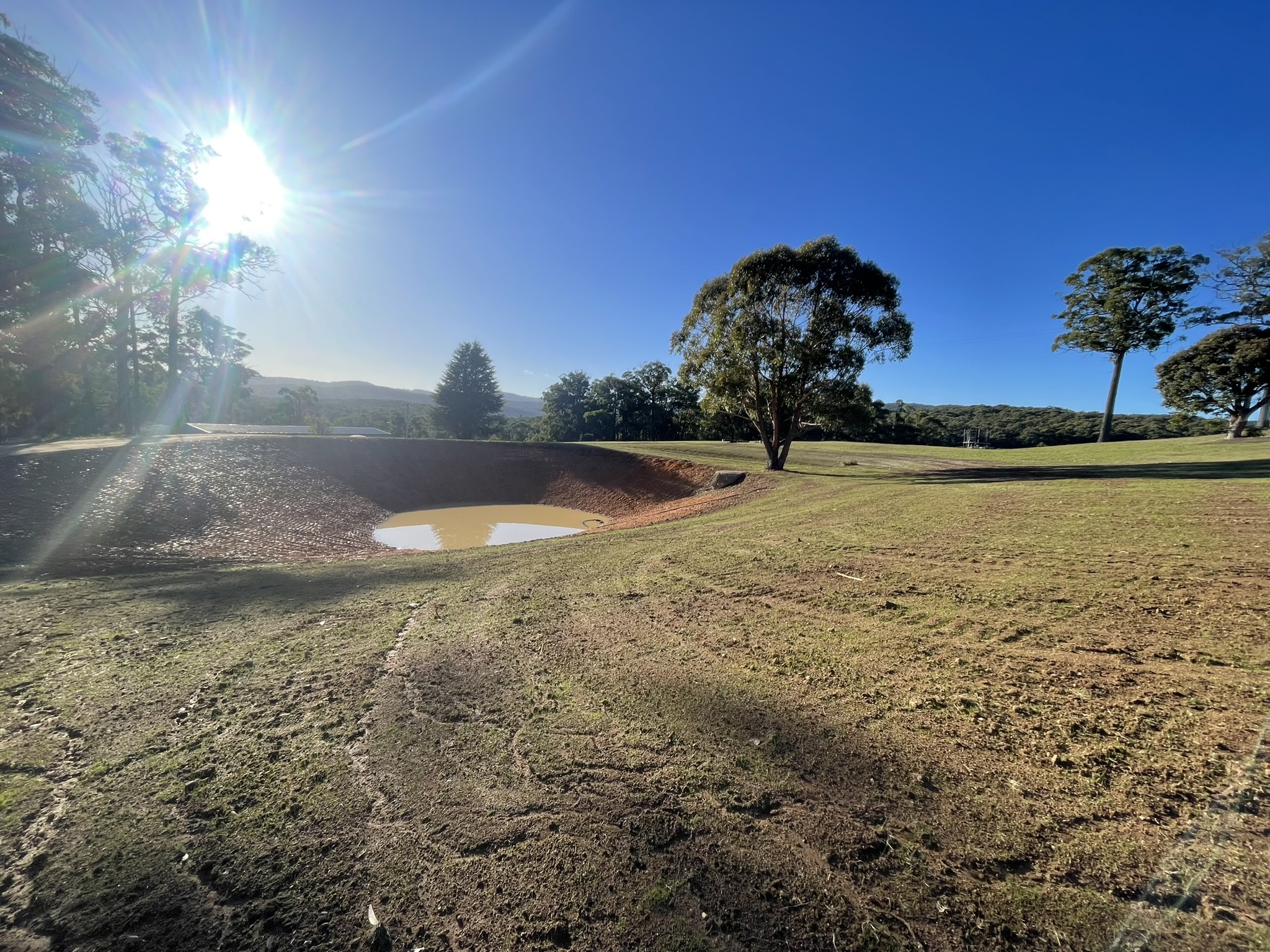
Batters shaped, topsoil back over, grass takes hold by the next season. Twelve months on, the track and the pad look like nature put them there.
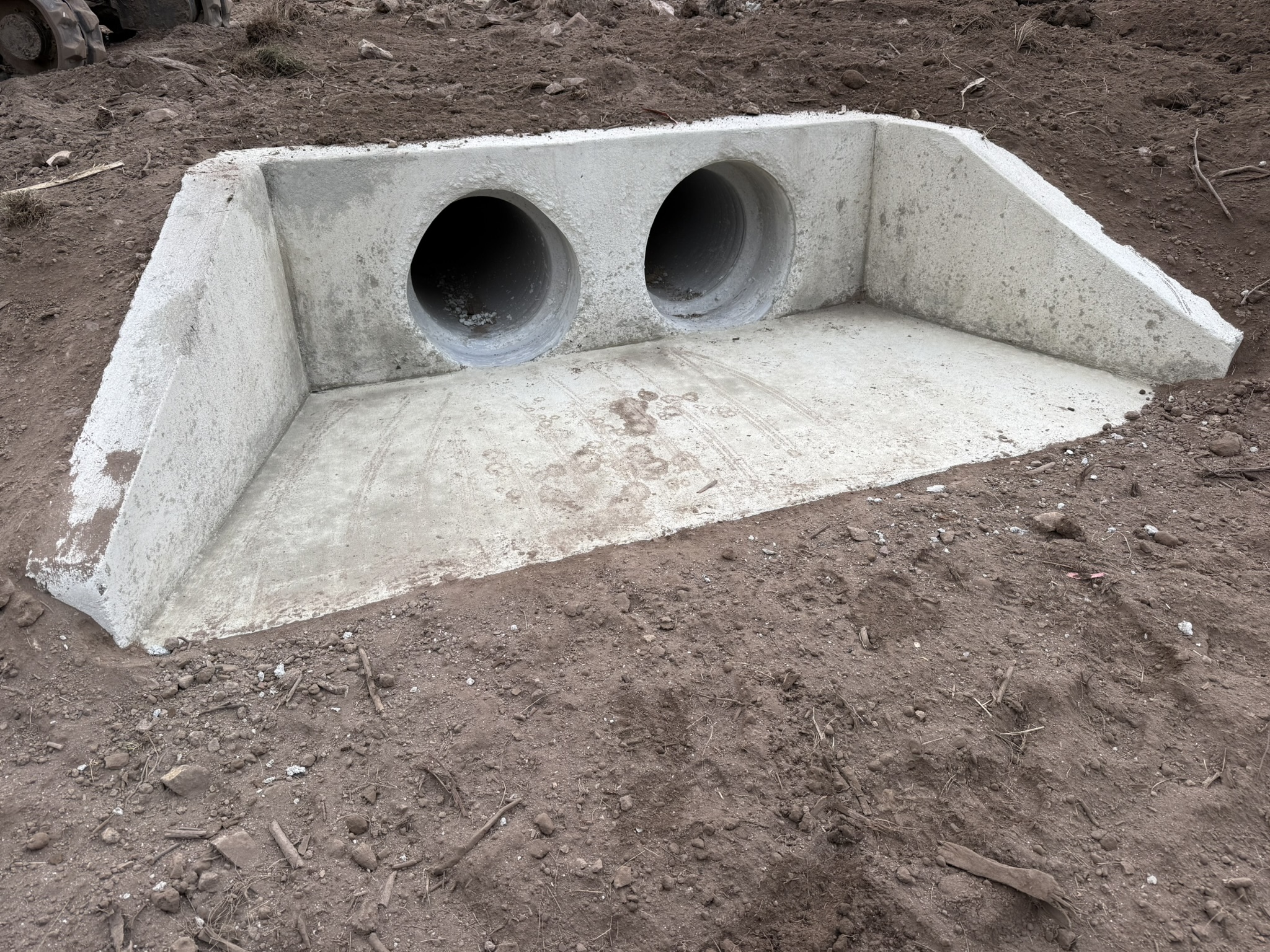
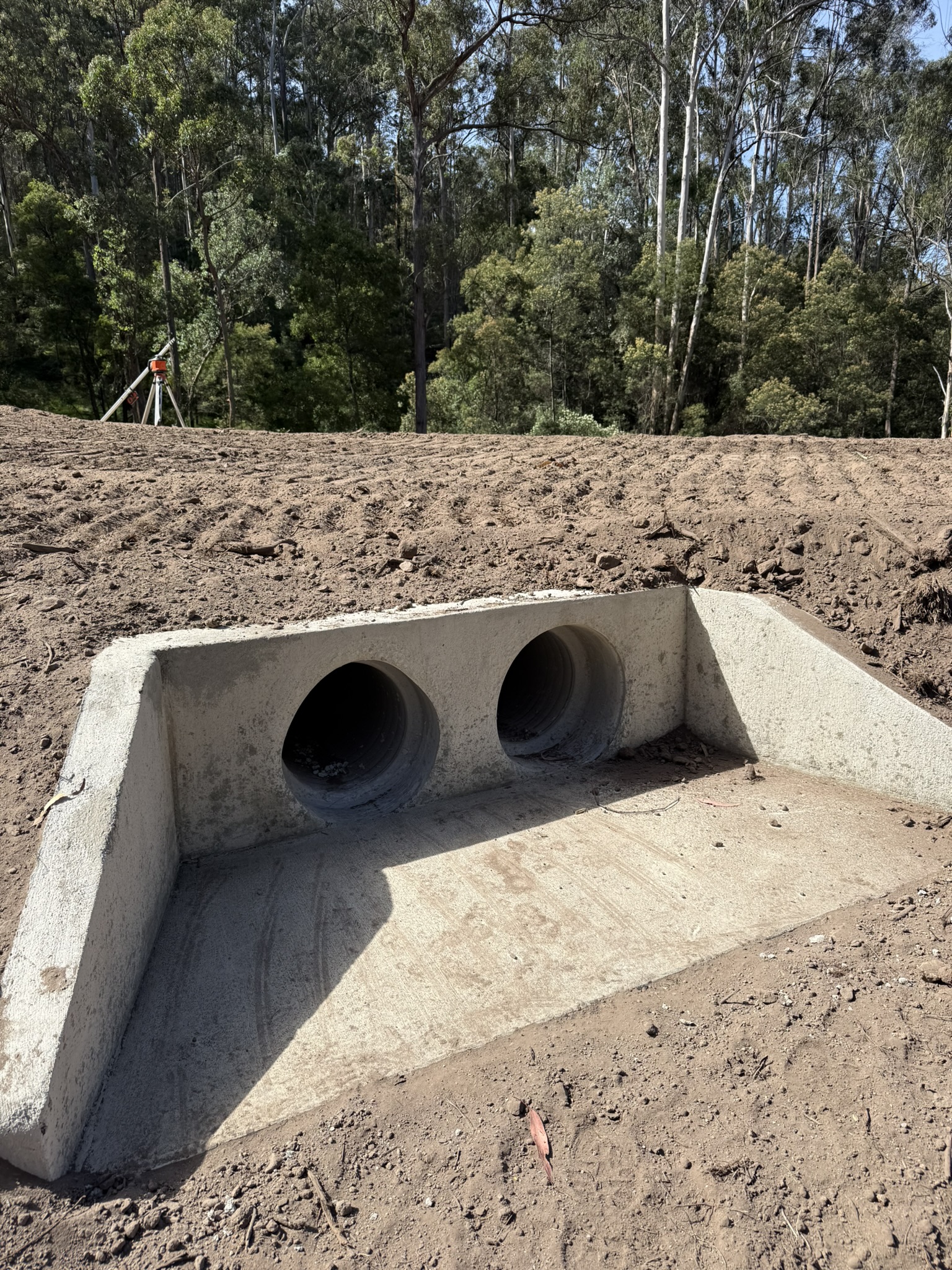
Because we build the drainage in before we build the track. Cross falls, table drains, culverts where they need to go. Most washouts happen because the bloke before us treated drainage as an afterthought. We treat it as step one.
Yes. The pad gets cut, filled, and compacted in proper lifts to the level your builder needs. We give you the test results. Your builder turns up, runs a level, and gets straight into the slab. No arguments, no remedial work.
Then we plan for it before the machines roll in. Gippsland country is mixed. Some blocks are clay, some are stone, some have springs you do not see until you cut into them. We walk the block, work out what is under the surface, and price the job honestly.
Fixed price wherever we can. You get a number, you know what you are paying, no nasty surprise at the end. The only time we go hourly is small variation work the client asks us to add on the day.
Depends on the length of access, the cut depth, and the weather. Most jobs sit between three days and two weeks. We tell you a realistic window before we start and we stick to it unless the weather forces a stop.
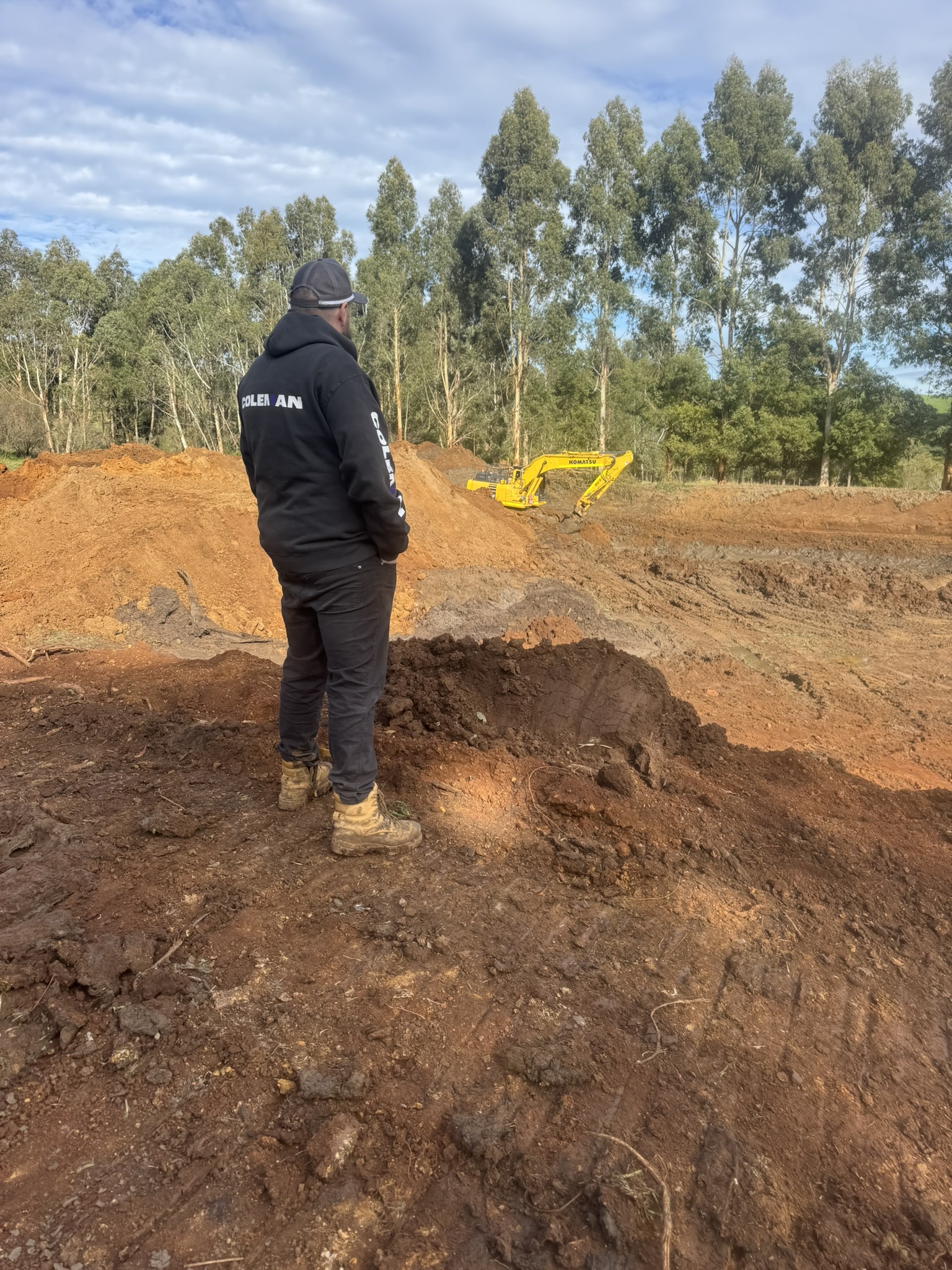
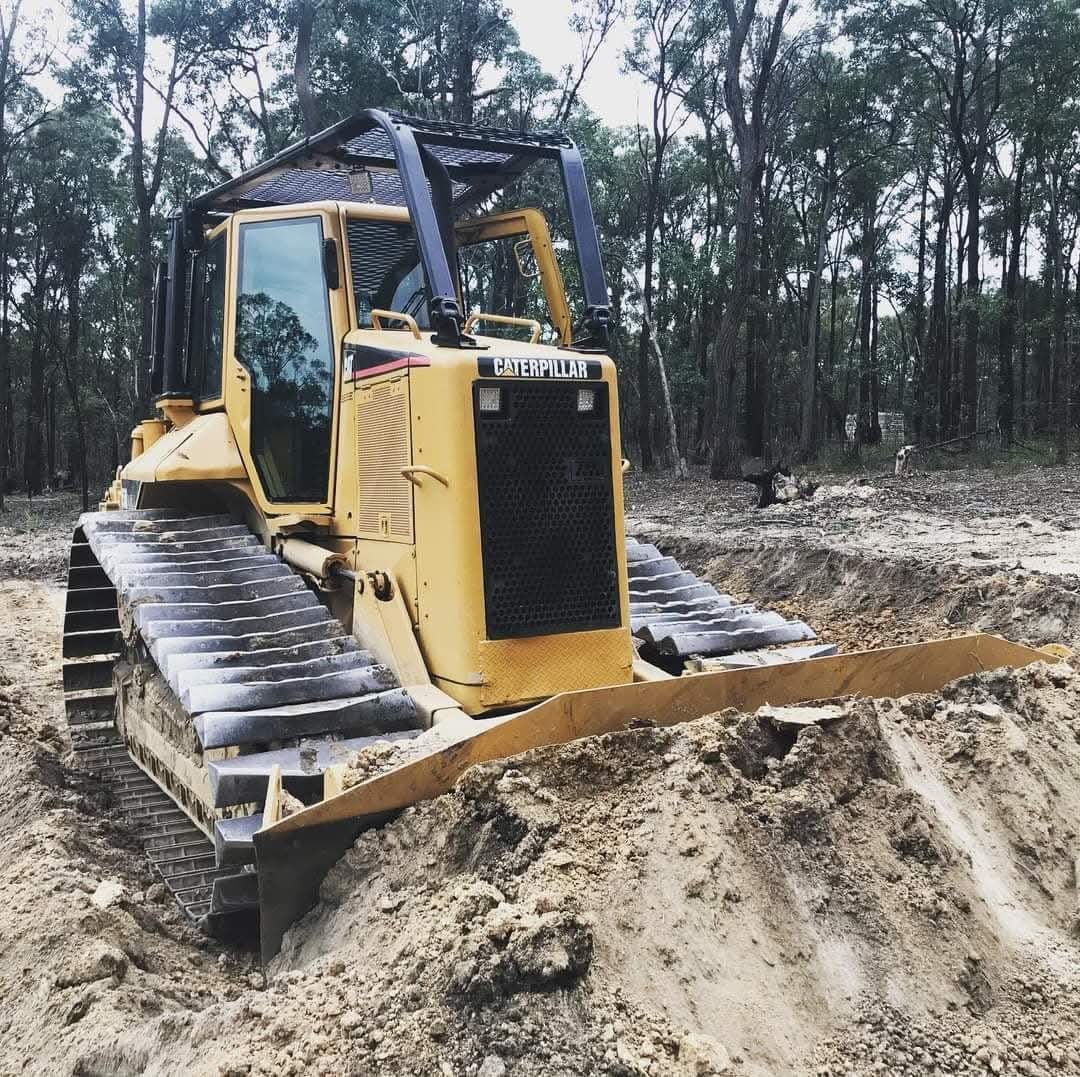
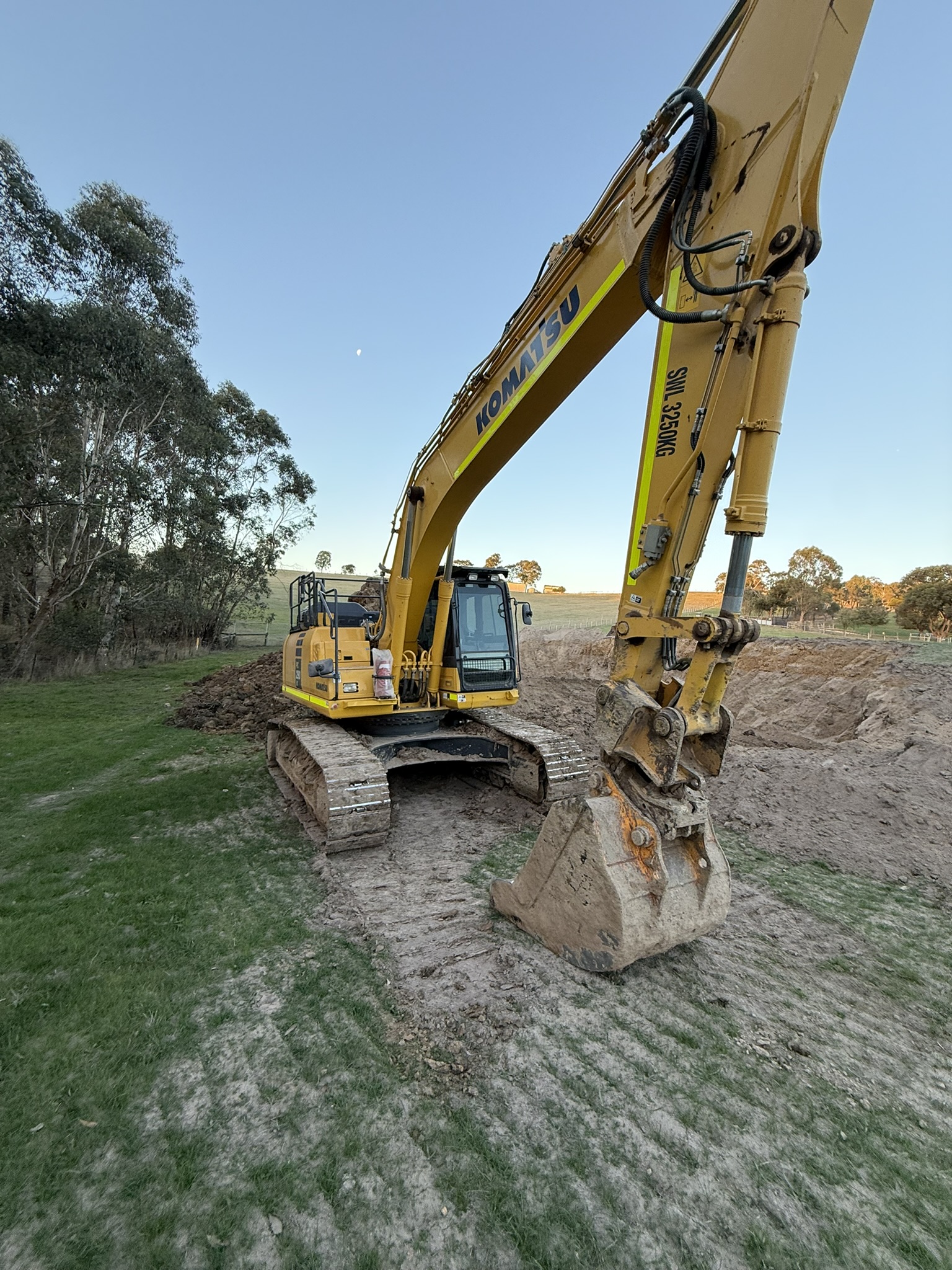
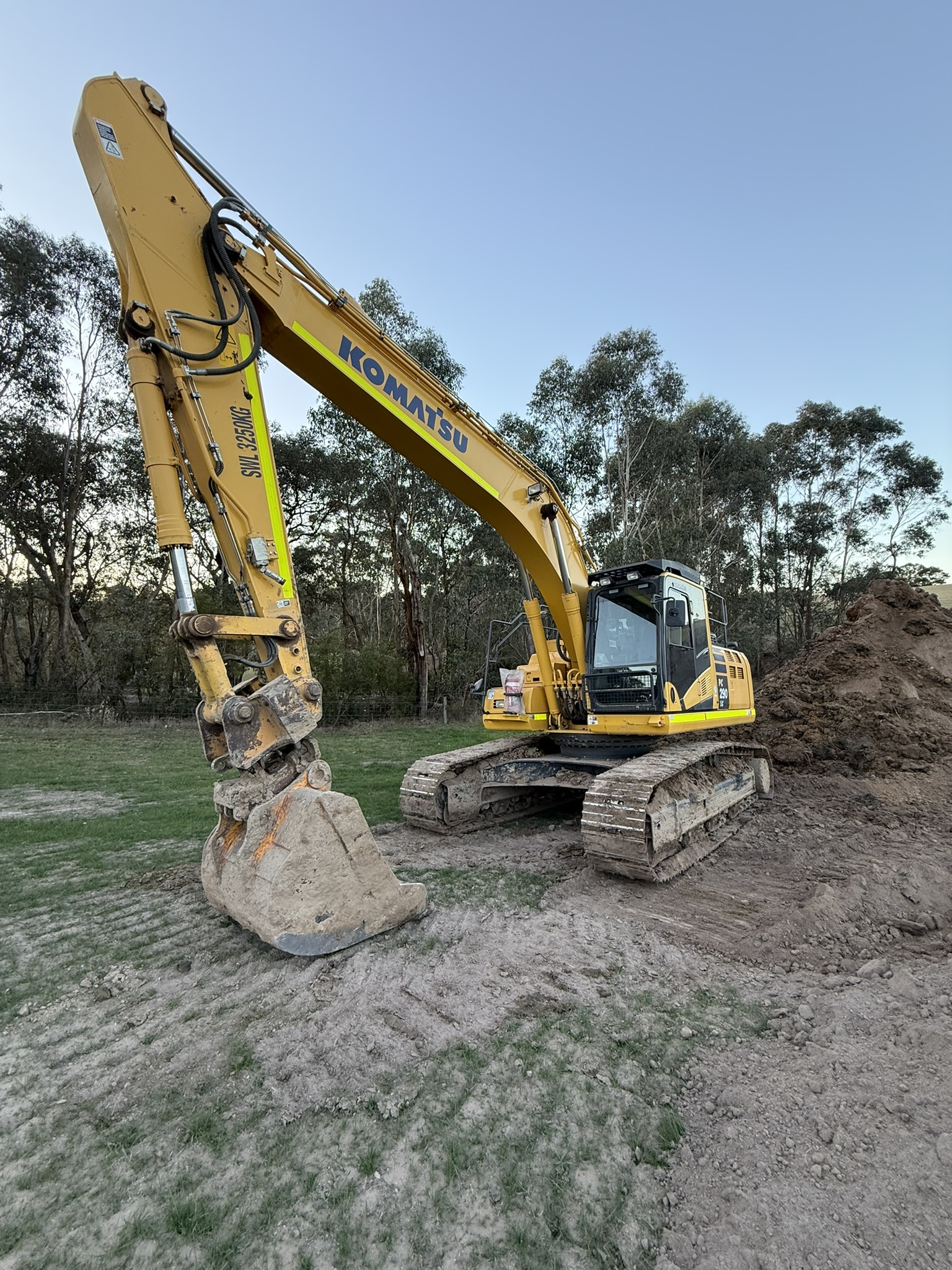
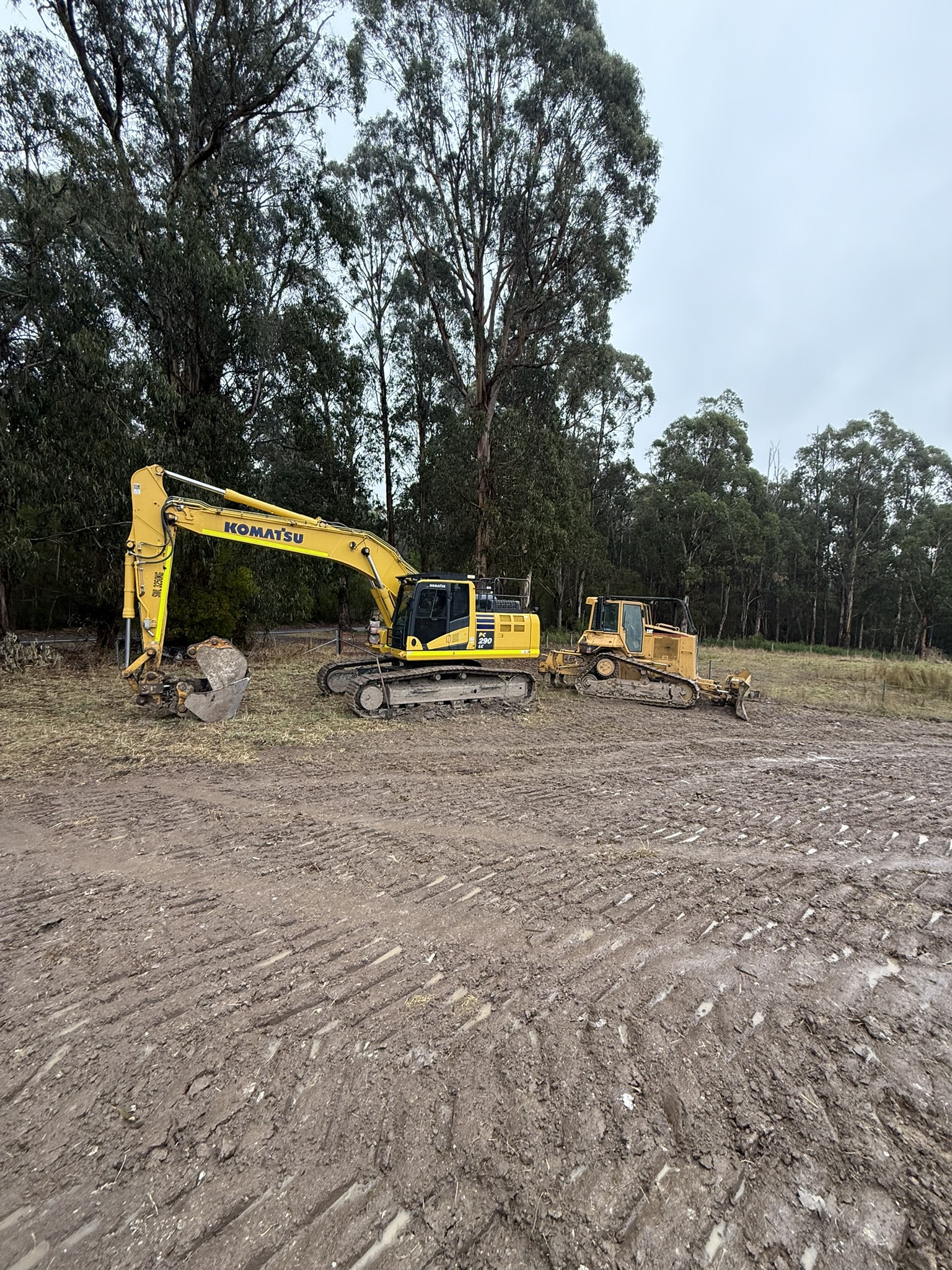
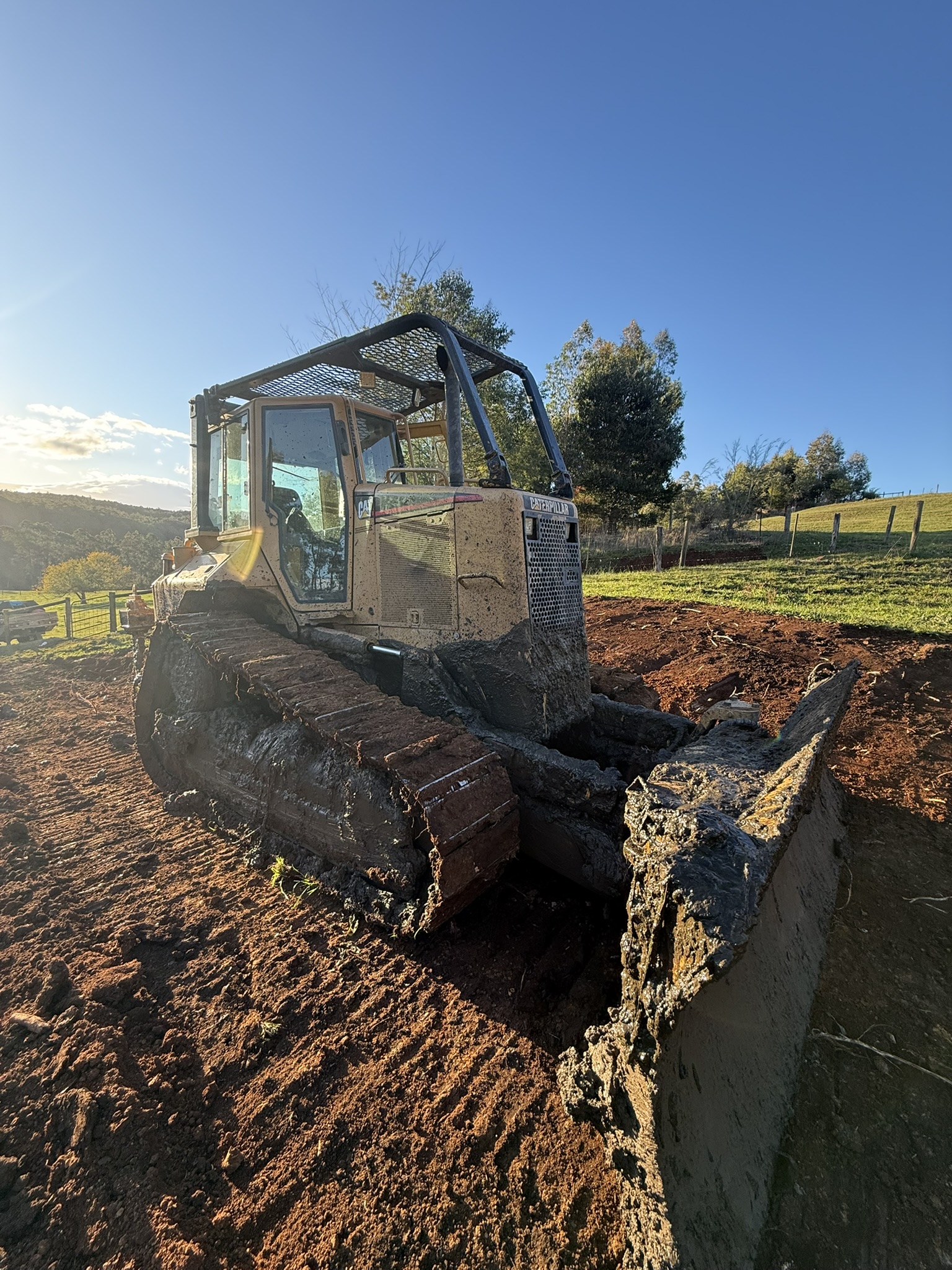
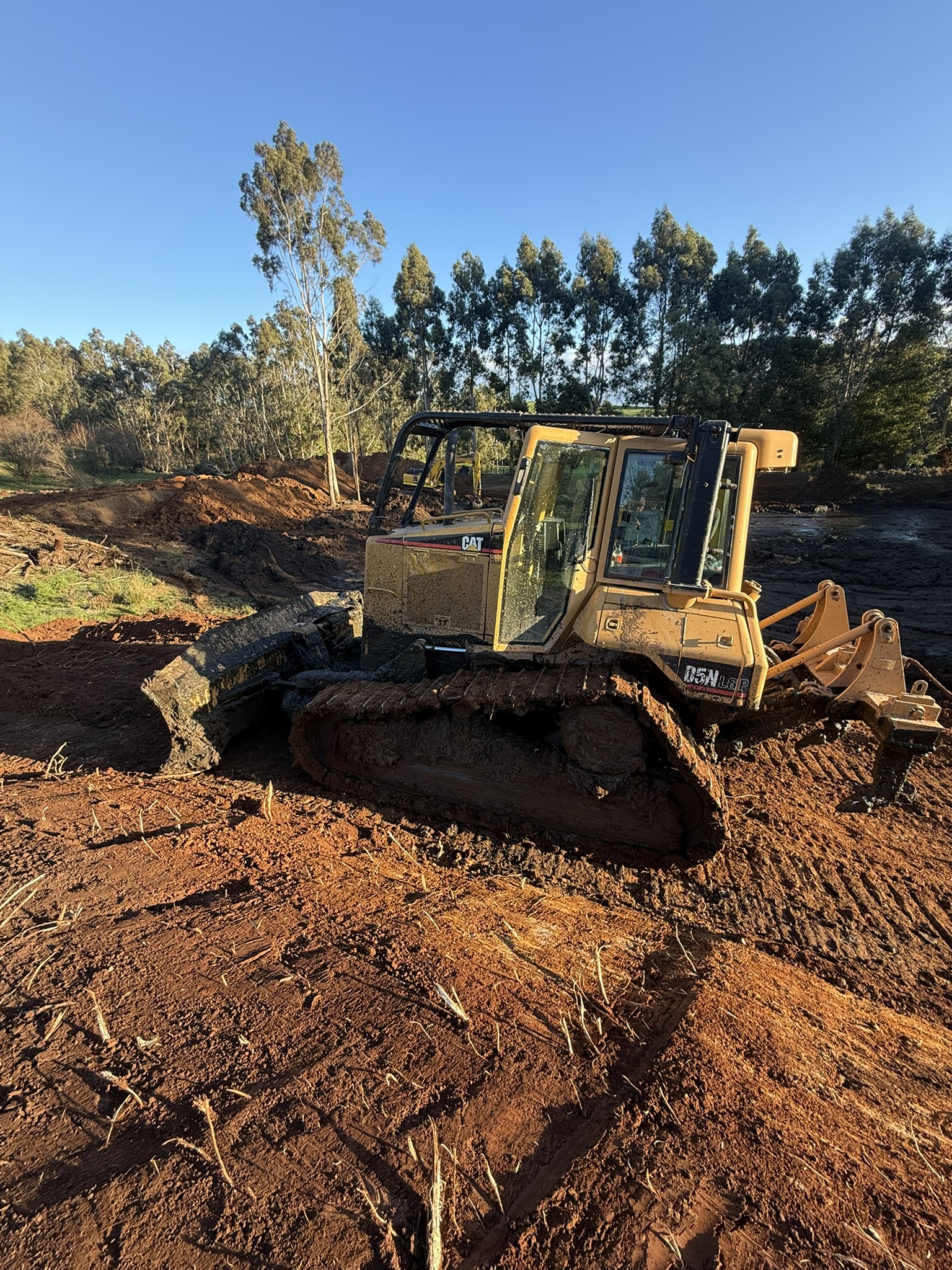
I run TASK Elite Dams out of Newborough. Earthmoving is what I do, and farm access and house cuts are a big part of it. Every job I quote, I walk the block myself. Every job I run, I am on the machine or right next to it.
I started this business because I was sick of hearing the same story from landowners. A bloke turned up, took the money, left a mess. Track washed out. Pad slumped. Phone went to voicemail. That is not how I was taught to work and it is not how I run a job.
If you want a straight answer, a fair price, and a finish that looks like the land grew that way, have a yarn. I will come out, walk the property with you, and tell you honestly what it needs.
Get A QuoteEvery track we cut and every pad we build is backed by our workmanship guarantee. If anything we built moves, slumps, or fails because of how we did the work, we come back and fix it. Simple as that. In writing, before we start.
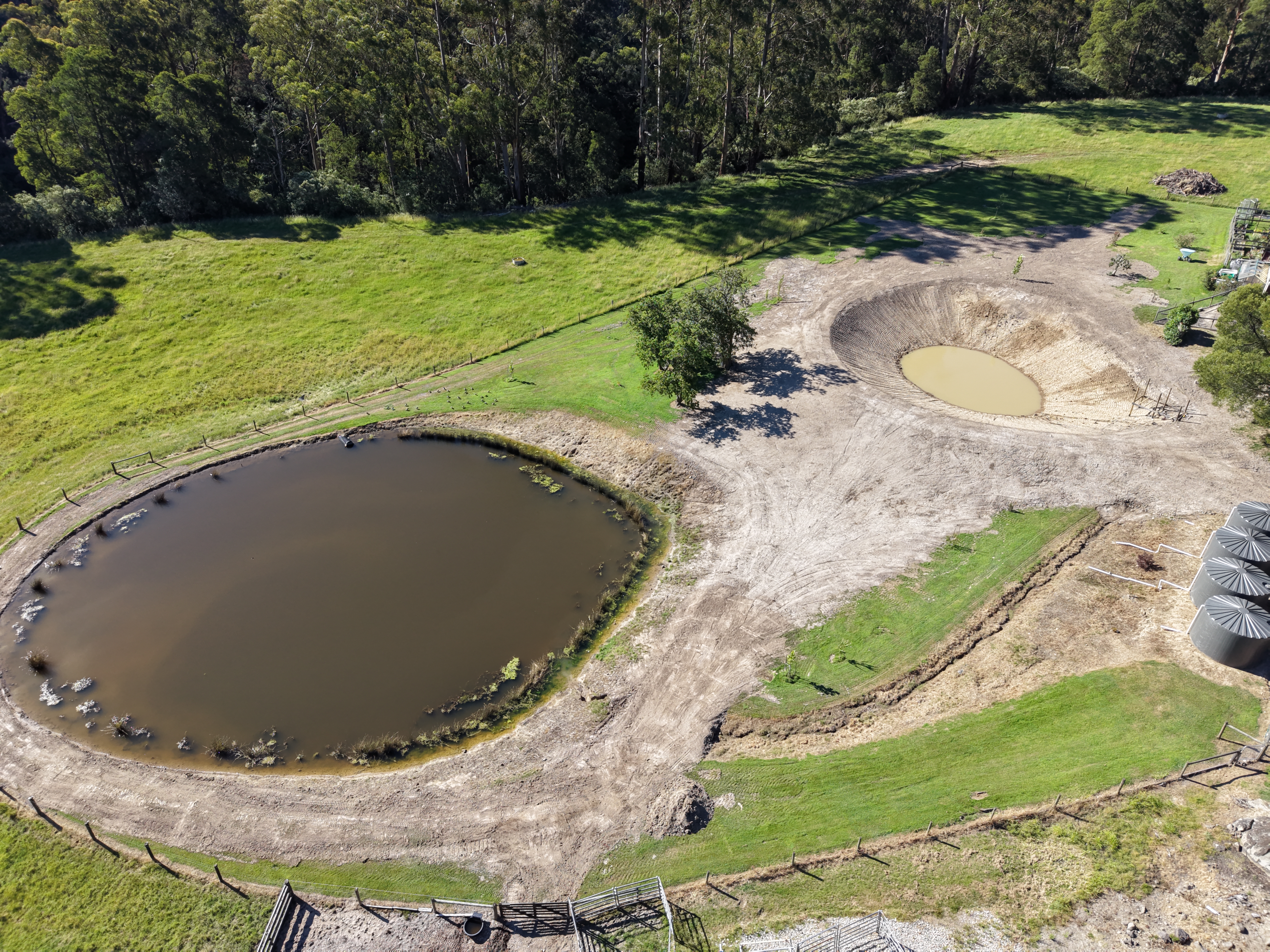
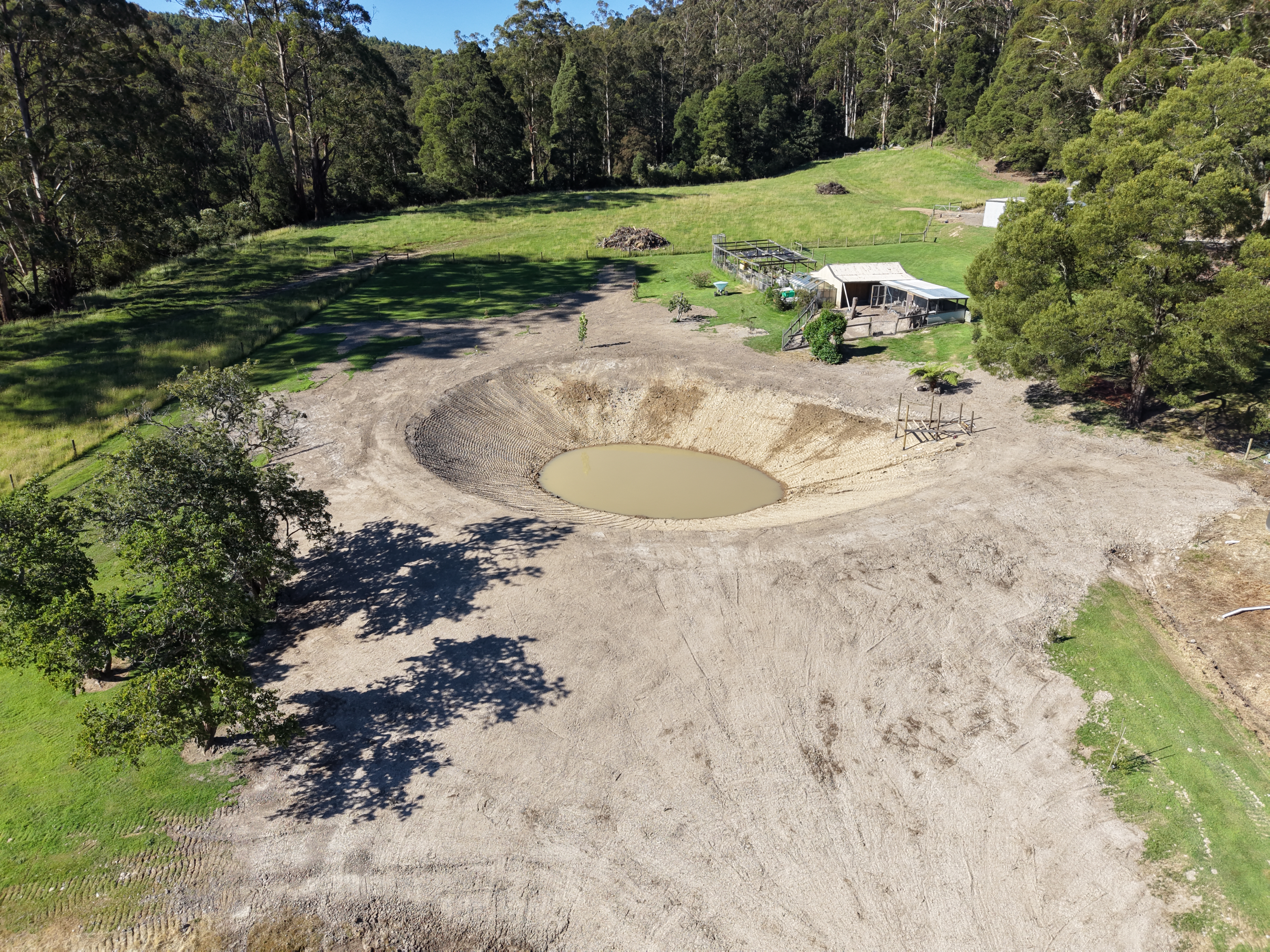
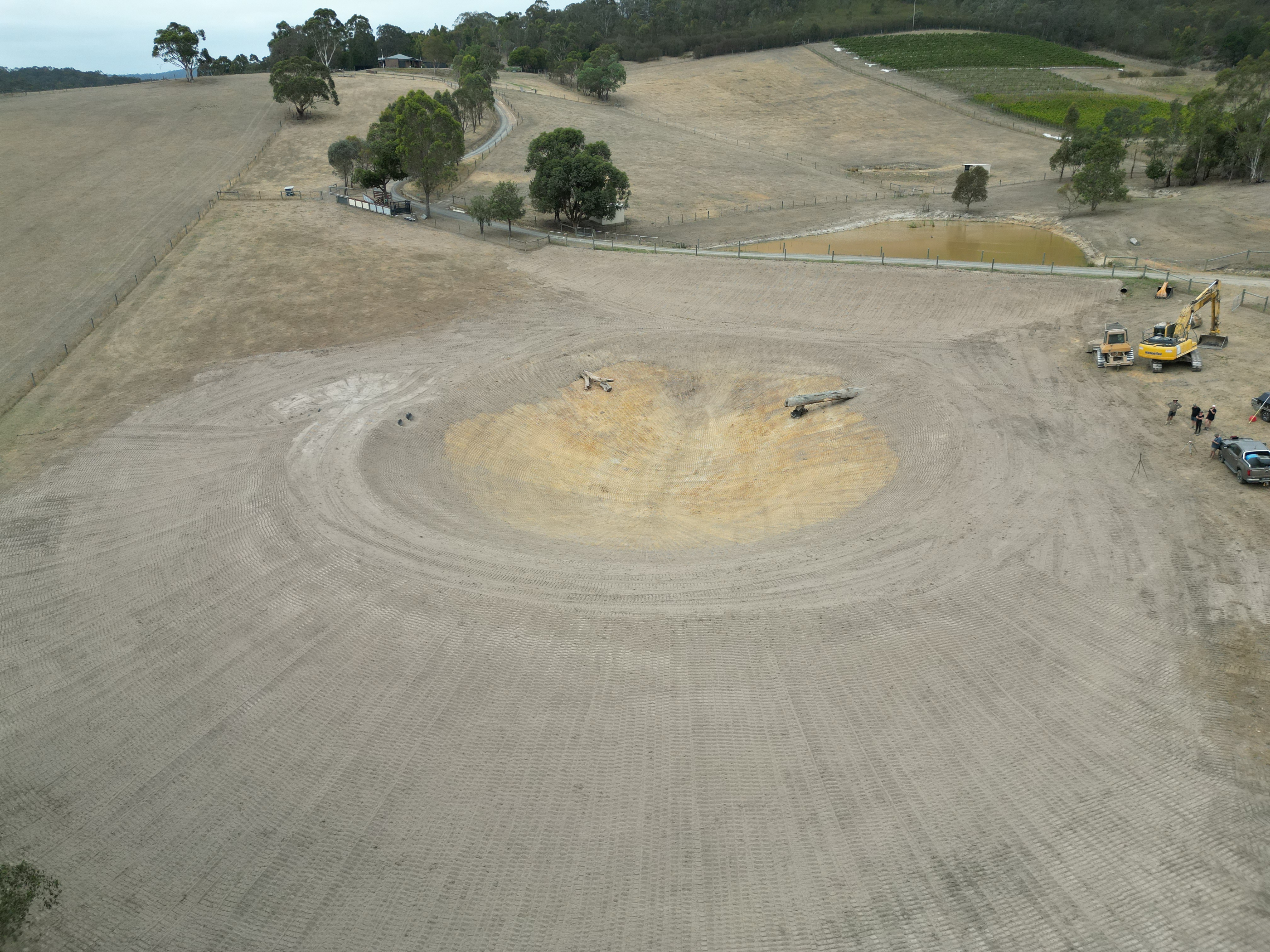
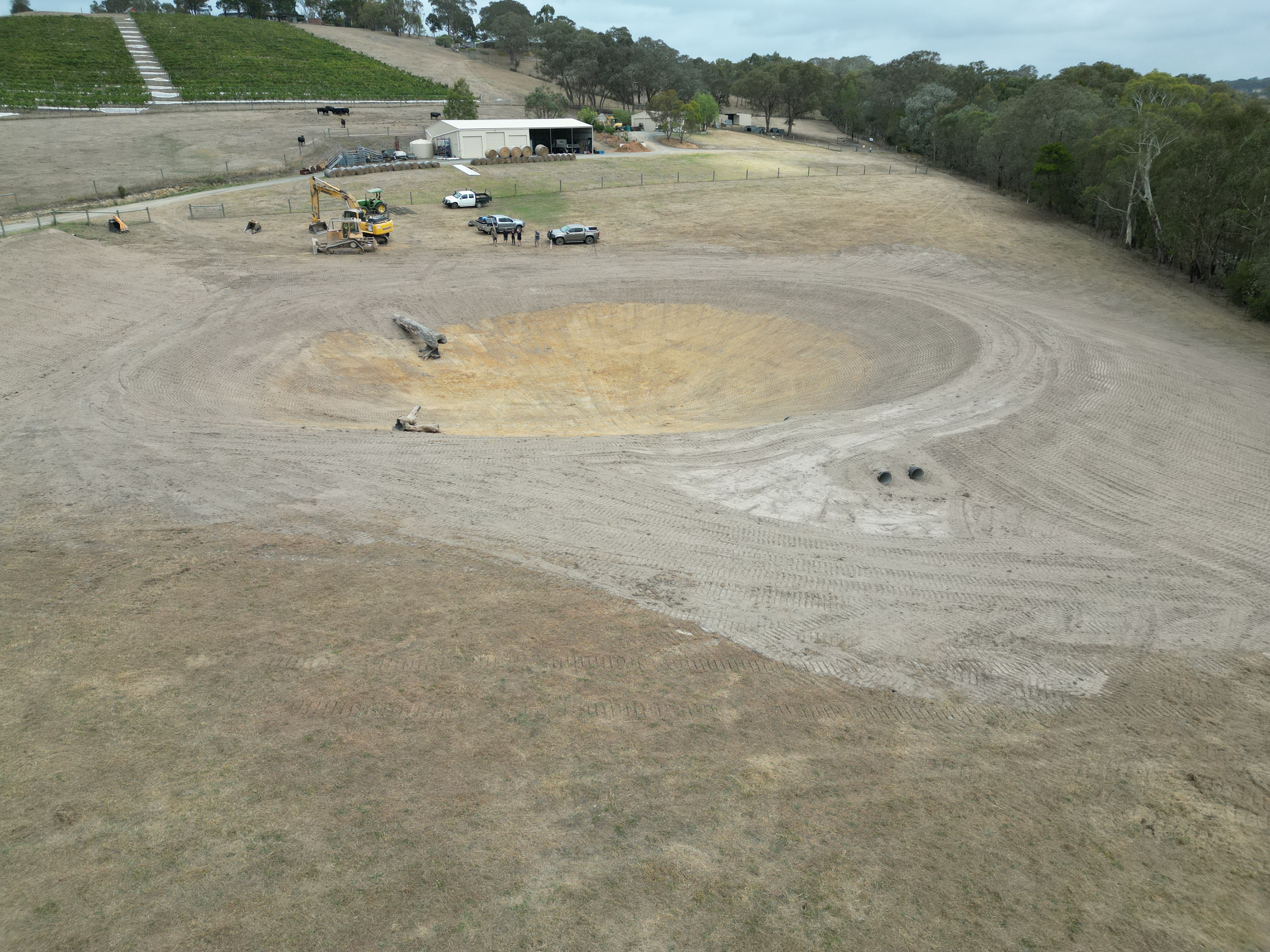
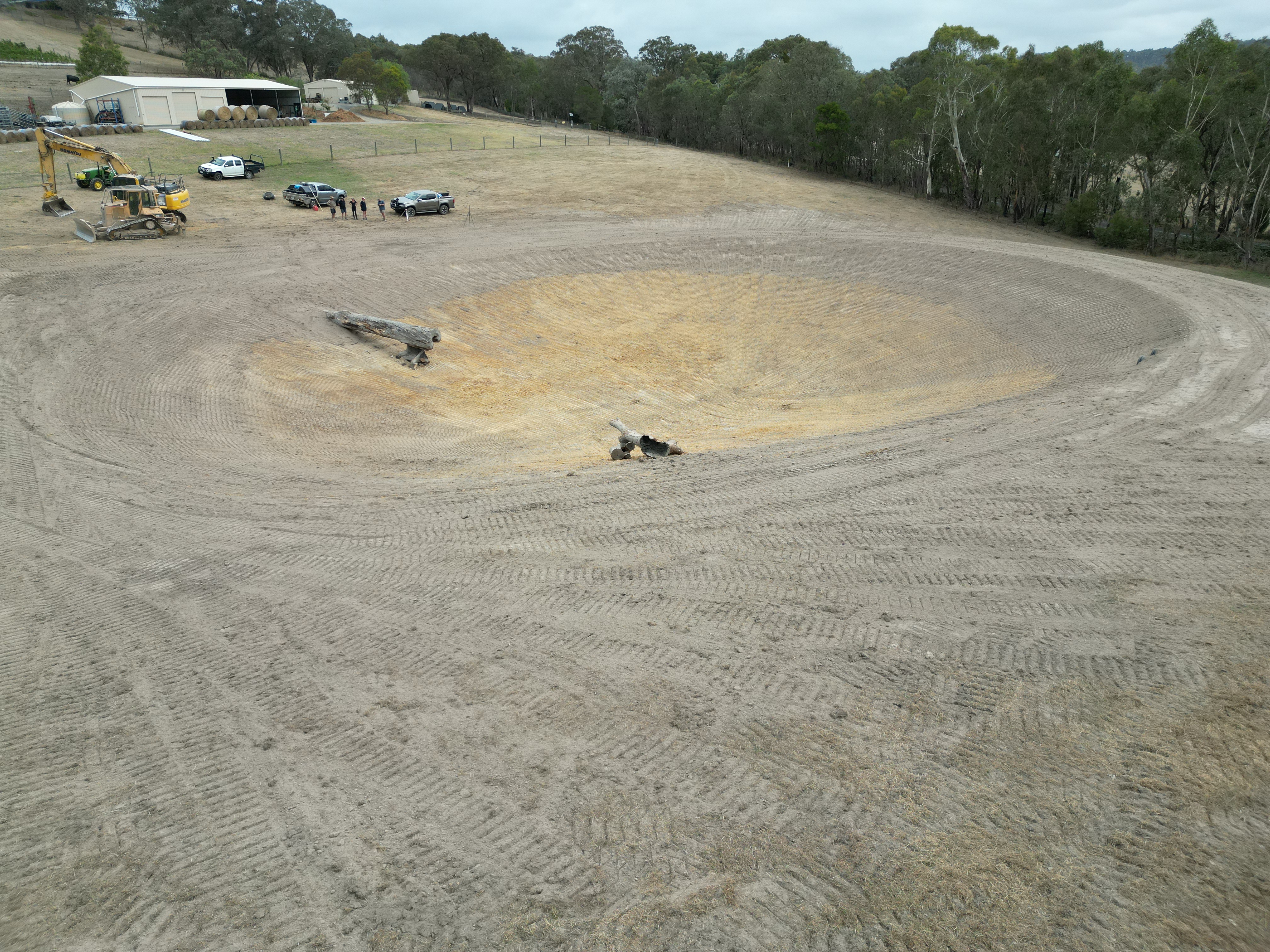
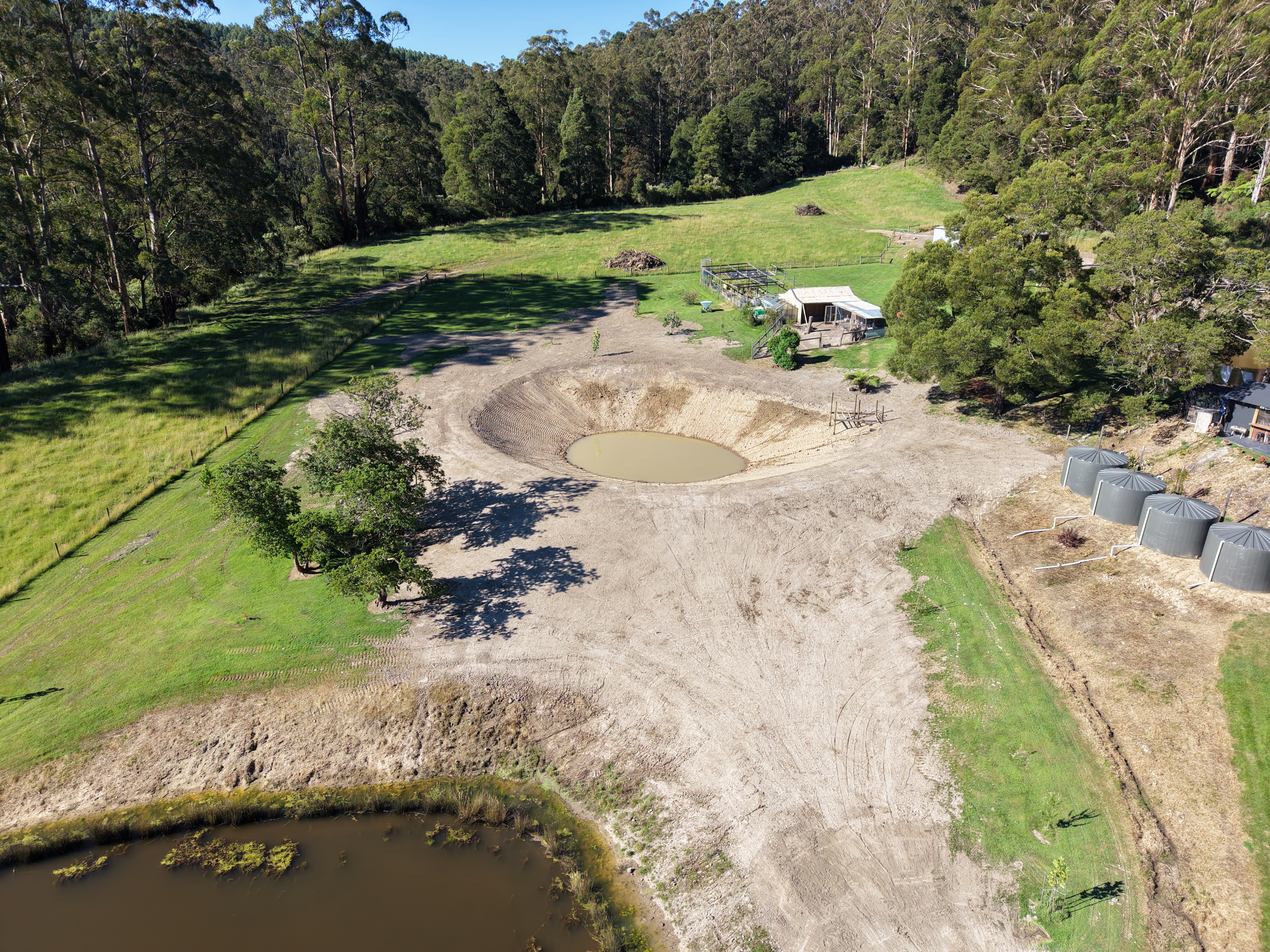
Honest look at the property, fixed-price quote in writing, no pressure and no sales bloke. Just a yarn about what your land actually needs.